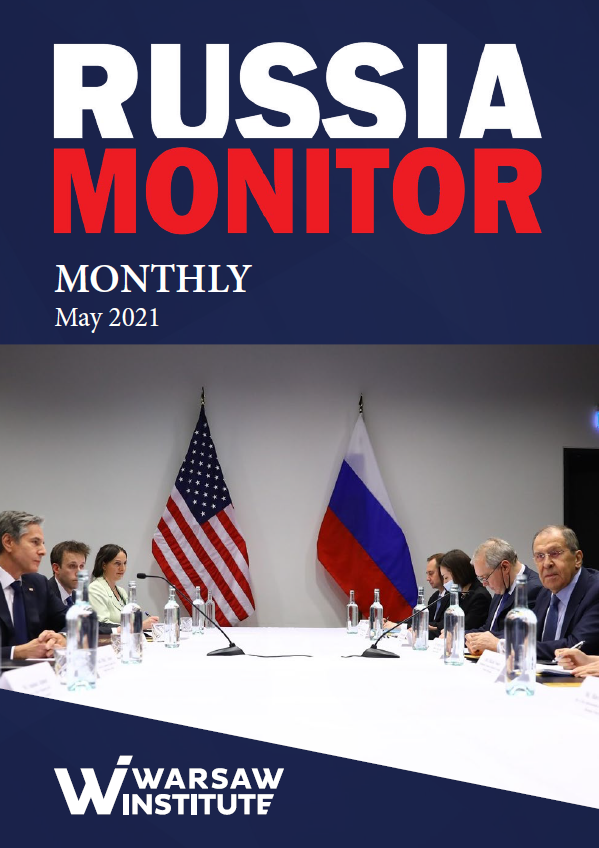
RUSSIA MONITOR MONTHLY 05/2021
Content

Ratko Mladić Is Gone. The Western Balkans Have Still Not Reckoned with the War
The death of Ratko Mladić closes a chapter in the history of the Yugoslav wars. Three decades after the conflicts, his figure still divides the region over how the war should be remembered: for some, he remains a symbol of the defence of the Serb people; for others, he represents the crimes committed in Bosnia.
Ratko Mladić odszedł. Zachodnie Bałkany wciąż nie rozliczyły wojny
Śmierć Ratka Mladića zamyka pewien rozdział historii wojen jugosłowiańskich. Trzy dekady później jego postać wciąż dzieli region w kwestii pamięci o wojnie: dla jednych jest on symbolem obrony serbskiego narodu, dla innych – zbrodni popełnionych w Bośni.

Lukashenko Will Not Abandon Russia. Washington Is Making a Mistake
The current US administration’s attempts to gain leverage over Belarusian dictator Alexander Lukashenko are little more than a waste of time and resources. In practice, they only strengthen both the regime in Minsk and its Russian patron. Just as the idea of a „reverse Kissinger”—driving a wedge between Moscow and Beijing—has virtually no chance of success, so too does any strategy aimed at loosening the ties between Belarus and Russia.

Before and After Georgescu. The 2024-25 Romanian Presidential Elections from a 2026 perspective
“I started to refer to the past months as there has been a ‘Before Georgescu’, and an ‘After Georgescu’ time, which we are living now” – a Member of the Parliament

Międzymorze. Geopolityka. Geoekonomia. Geokultura.
Dla Polaków sąsiadujących od stuleci z Rosją i Niemcami geografia ma szczególne znaczenie. Położenie geograficzne oznacza dla nas fundamentalny wybór – między byciem zdominowanym albo zabezpieczeniem wolności. Po transformacji ustrojowej z roku 1989 naszym celem było jak najszybsze włączenie się Polski do struktur zachodnich: UE oraz NATO. Wejście do nich stanowiło zwieńczenie marzeń i aspiracji elit, które poczuły się zwolnione z obowiązku aktywności, bo strategiczne cele zostały osiągnięte. Nie przewidywano wykorzystywania tych organizacji dla realizacji dalekosiężnej strategii Rzeczpospolitej.

Diverging Paths: Why the V4 Competitiveness Model Is Diverging
The Visegrád Four entered the European Union in 2004 with broadly comparable economic strategies. They attracted foreign capital and offered a skilled, cost-competitive workforce. Yet each country adapted its model to its own. Producing distinct approaches for example to managing flagship firms, downturns, and emerging industries. Two decades later, the outcomes are diverging measurably, with Poland pulling ahead while its neighbours face a slowdown that may define their economic trajectories for years to come.

Bitwa o Armenię. Wybór między Rosją a Zachodem
Wybory parlamentarne w Armenii 7 czerwca mają podobną wagę strategiczną, co wcześniej wybory w Mołdawii. Stawką jest geopolityczny kurs kraju: utrzymanie polityki zbliżenia z Zachodem lub powrót do rosyjskiej strefy wpływów. Starcie obozu premiera Nikola Paszyniana z opozycją to coś więcej niż wewnętrzny wybór opcji rządzącej.
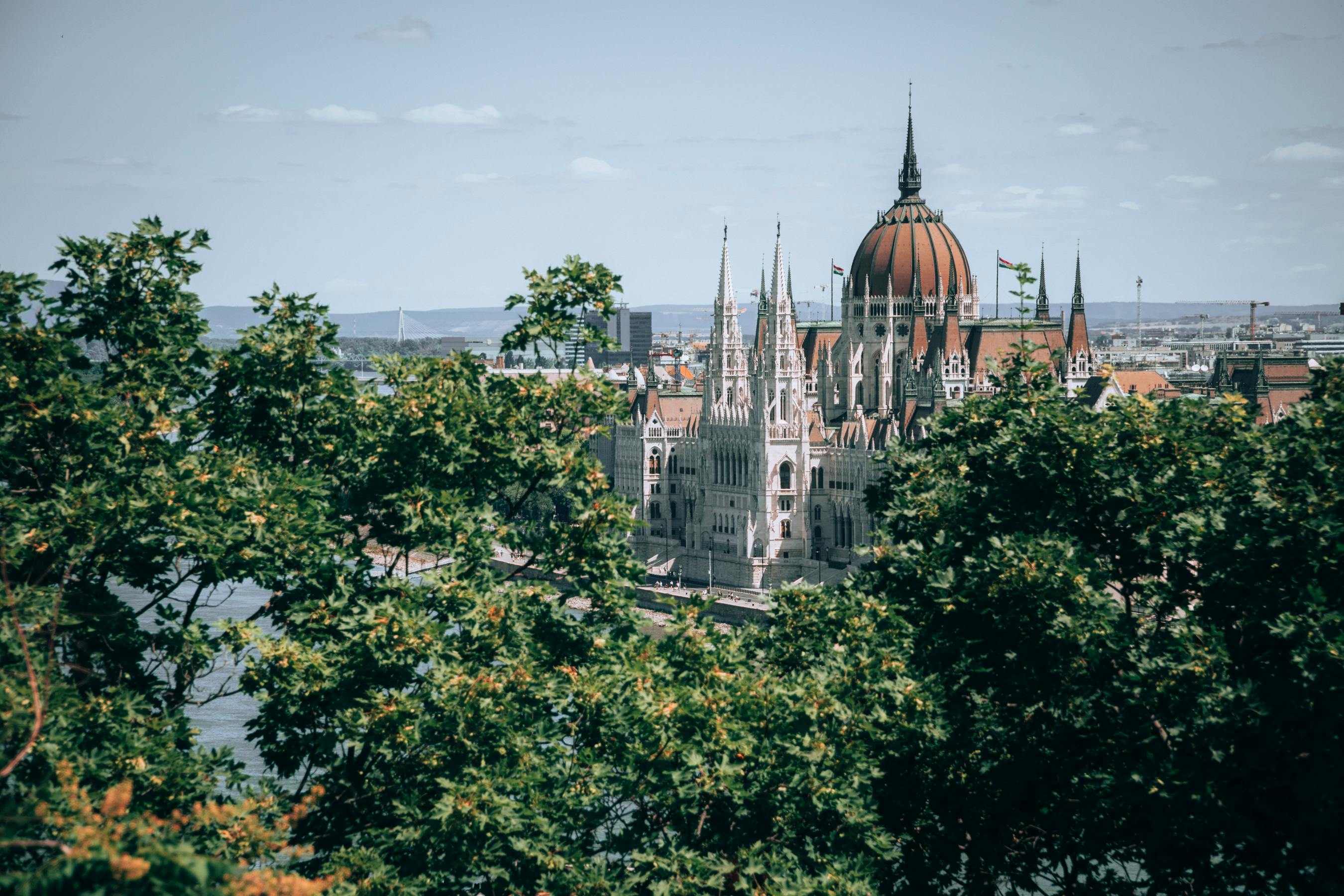
Between Political Alliance and Institutional Constraint: Serbia and Croatia in Hungary’s Electoral Context
Hungary’s elections are drawing attention across Europe, yet their significance is particularly pronounced for neighbouring states that are closely intertwined with Budapest within a network of regional political and economic interdependencies. For these countries, the stakes extend beyond the electoral outcome itself, encompassing the future direction of cooperation and the broader configuration of regional relations.
Między sojuszem a instytucją: Serbia i Chorwacja wobec wyborów na Węgrzech
Wybory na Węgrzech przyciągają uwagę całej Europy, jednak ich znaczenie jest szczególnie istotne dla państw sąsiednich, które współtworzą z Budapesztem układ regionalnych powiązań politycznych i gospodarczych. W ich przypadku stawką nie jest jedynie wynik wyborów, lecz kierunek dalszej współpracy i sposób kształtowania relacji w regionie.
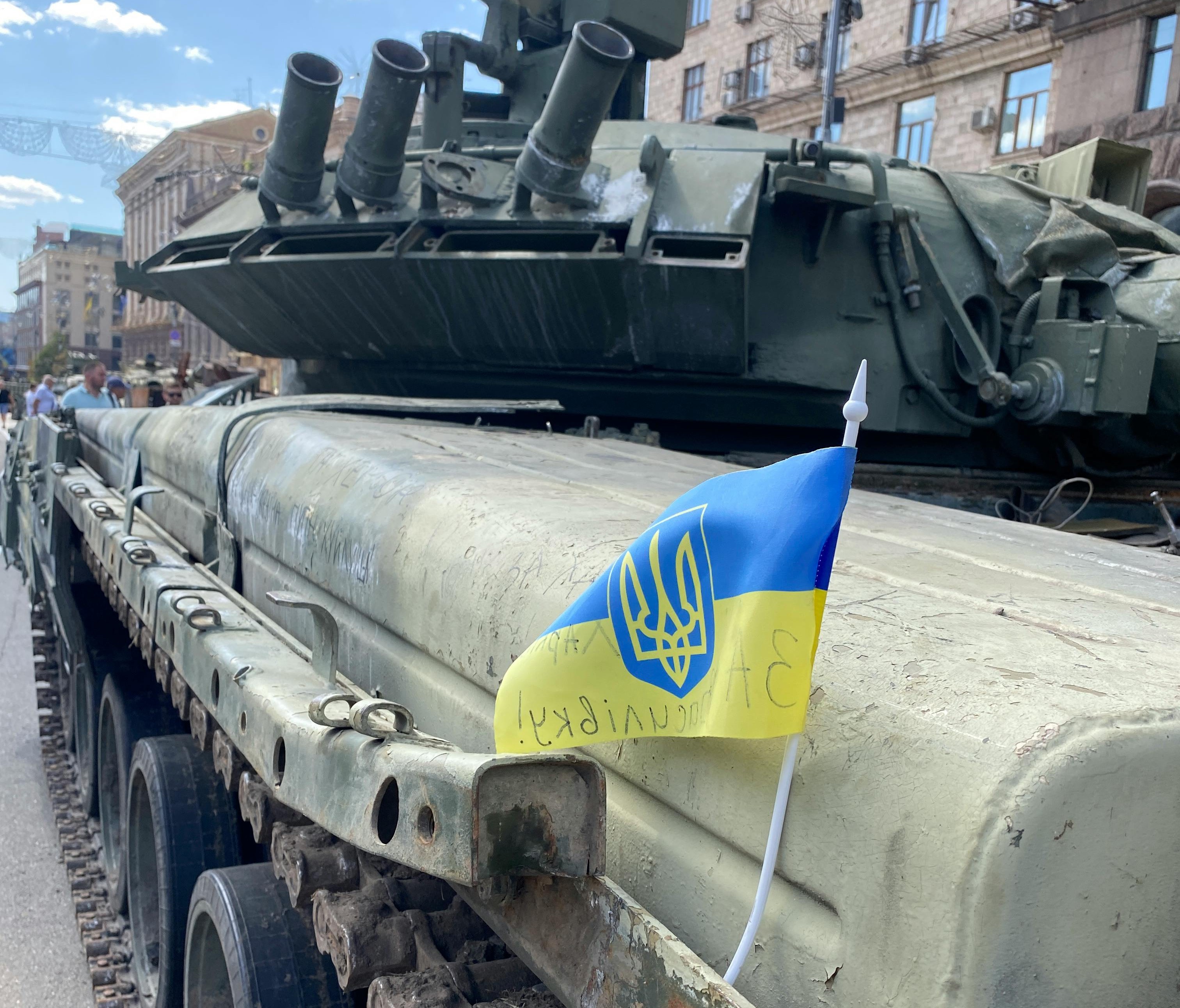
Wojna na Ukrainie. Wiosenny falstart Rosji
Pewne rzeczy w wojnie Rosji z Ukrainą są przewidywalne. Taka choćby, jak rozpoczęcie wiosną przez Rosjan nowych działań ofensywnych. Na tyle wcześnie, żeby 9 maja na placu Czerwonym Władimir Putin mógł się pochwalić jakimś wojennym sukcesem. W tym roku nie wygląda to jednak – na razie – obiecująco z perspektywy Kremla. Choć to jeszcze nie początek prawdziwej wiosenno-letniej ofensywy.
The War in Ukraine: Russia’s Spring False Start
Certain aspects of Russia’s war against Ukraine are predictable. One of them is the launch of new offensive operations in the spring. This is timed early enough for Vladimir Putin to be able to present some form of military success on Red Square on 9 May. This year, however, the situation does not appear promising for the Kremlin – at least for now. That said, this is not yet the beginning of a full-scale spring–summer offensive.
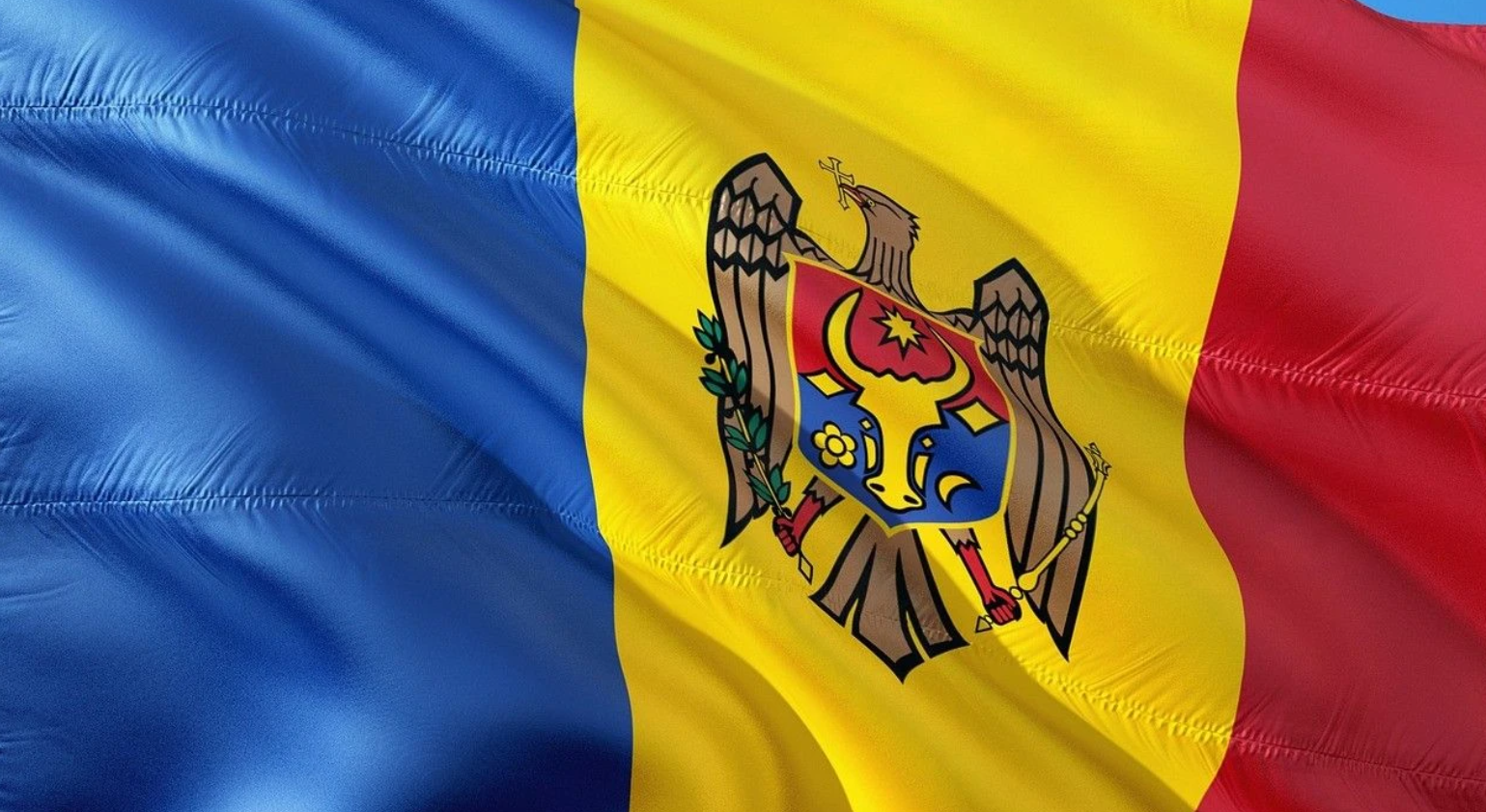
Crossroad between East and West. A retrospective analysis of the 2024/25 Moldavian situation
“The presidential elections and the referendum on the 20th of October will be the most important events after the declaration of independence – they will mark the Moldavians’ destiny for the next decades.” – The Ambassador of the Republic of Moldova to Romania, commenting on the 2024 Moldovan Referendum

Serbia wobec presji na rynku energii: państwo jako bufor kryzysu
Wzrost napięć na Bliskim Wschodzie i gwałtowne skoki cen ropy – sięgające w ostatnich tygodniach poziomu powyżej 100 dolarów za baryłkę – szybko znalazły odzwierciedlenie w polityce wewnętrznej Serbii. Reakcja władz w Belgradzie pokazuje, że w warunkach niestabilności globalnej państwo ponownie staje się głównym narzędziem stabilizowania sytuacji gospodarczej i społecznej.
Serbia under Pressure in the Energy Market: The State as a Crisis Buffer
Rising tensions in the Middle East and sharp increases in oil prices—exceeding $100 per barrel in recent weeks—have quickly translated into Serbia’s domestic policy response. The reaction of the authorities in Belgrade shows that in times of global instability, the state once again steps in as the primary instrument for stabilising both the economy and social conditions.
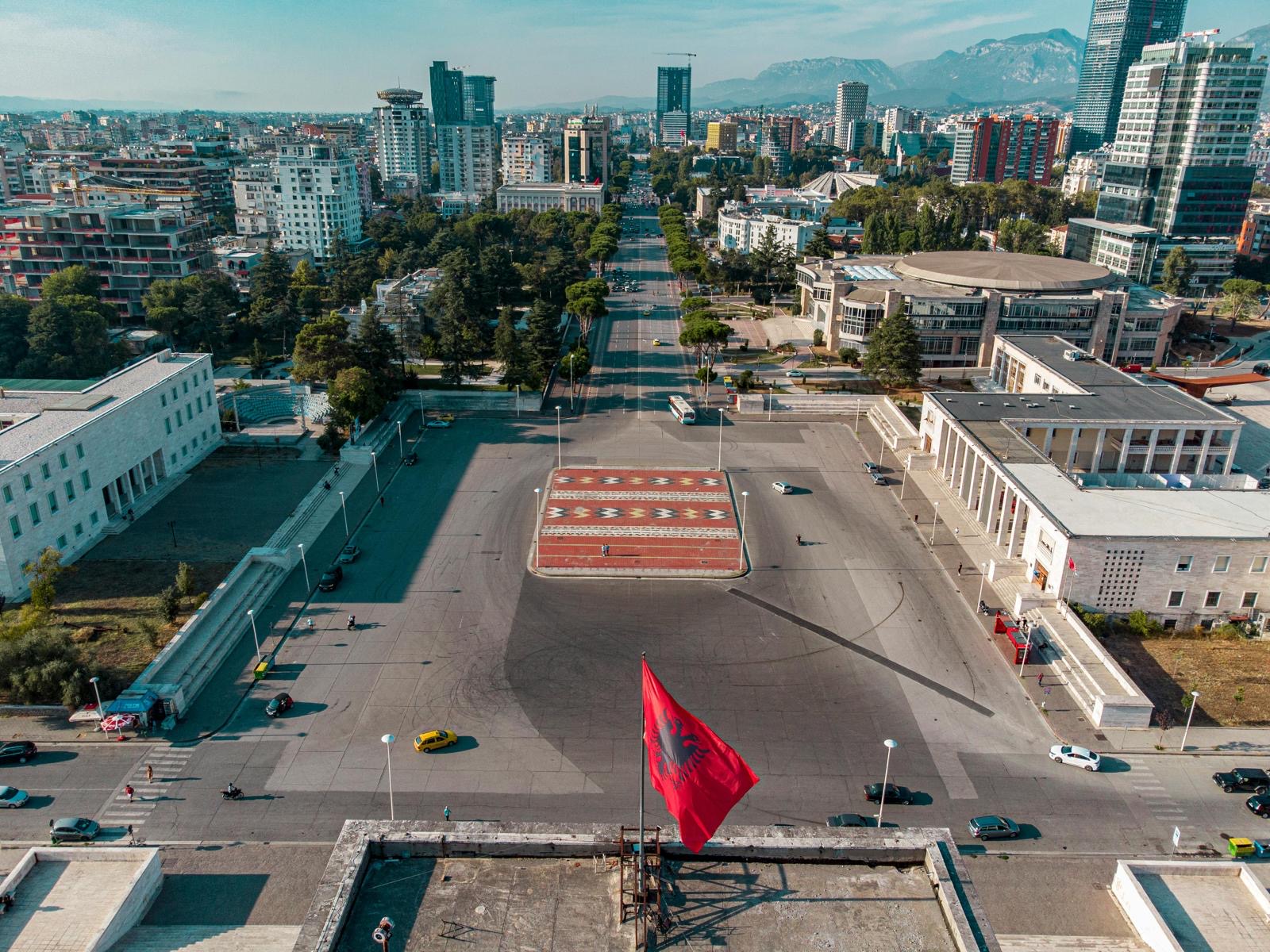
Western Balkans and the Escalation of Tensions in the Middle East
The escalation of tensions between the United States, Israel and Iran has quickly found political resonance in the Western Balkans. Reactions from governments across the region demonstrate how closely the region remains connected to broader geopolitical rivalries.
Bałkany Zachodnie wobec eskalacji napięć na Bliskim Wschodzie
Eskalacja napięć między Stanami Zjednoczonymi, Izraelem a Iranem szybko znalazła polityczne odzwierciedlenie także na Bałkanach Zachodnich. Reakcje państw regionu pokazują, jak silnie pozostaje on powiązany z globalną rywalizacją geopolityczną.
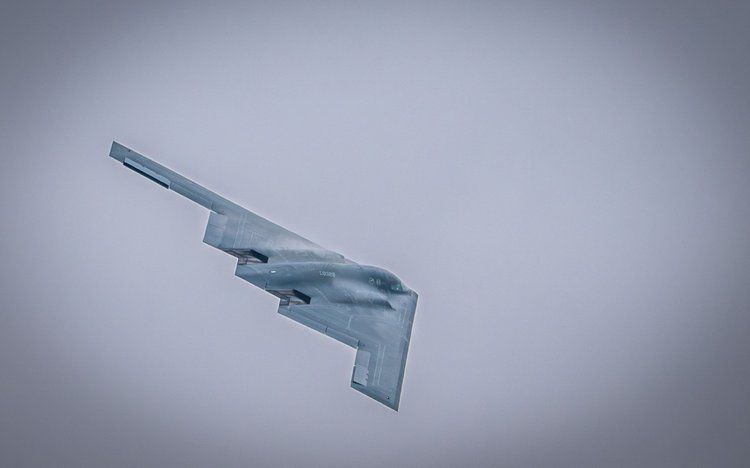
The War in the Persian Gulf: More Losses Than Gains for Russia
The scale of the U.S. and Israeli military campaign against Iran caught Moscow off guard. The likelihood of major geopolitical shifts in the Persian Gulf has rarely appeared as high as it does today. While the Kremlin may reap limited short-term benefits from the escalation, the overall strategic balance is likely to be unfavorable for Russia.
Wojna w Zatoce: dla Rosji więcej strat niż zysków
Skala wojny USA i Izraela z Iranem zaskoczyła Rosję. Wydaje się, że prawdopodobieństwo trwałych zmian w Zatoce Perskiej nie było jeszcze tak duże, jak obecnie. Moskwa na tych zmianach wyłącznie straci, choć zanim dojdzie do przesilenia, może krótkoterminowo zyskać na bliskowschodnim konflikcie.
Fenomen zapomnianego państwa: o wyjątkowości Polski w rozwiniętym świecie
Fenomen ukazujący Polskę jako ostoję bezpieczeństwa i ładu społecznego nabrał szczególnie na znaczeniu w wyniku postcovidowego chaosu, który na nowo zdefiniował emocje charakteryzujące rozwinięte społeczeństwa. Wraz z procesem wychodzenia globalnej gospodarki z lockdownowych restrykcji, wbrew oczekiwaniom, nie nastąpił powrót do przedpandemicznej rzeczywistości, a dominującą postawą wobec przyszłości stał się powszechny pesymizm.
The Phenomenon of the Forgotten State: Poland’s Distinct Position Within the Developed World
It has been more than 75 years since the Korean Peninsula was separated. For the last decades, the wish for normalizing the inter-Korean relations and the possibility of reunification have crossed the mind of some South Korean leaders. In the early 2000s, upon the incentive of normalizing their relations with North Korea, South Korea took inspiration from the German Ostpolitik in the development of the Sunshine Policy .







Fundacja Warsaw Institute