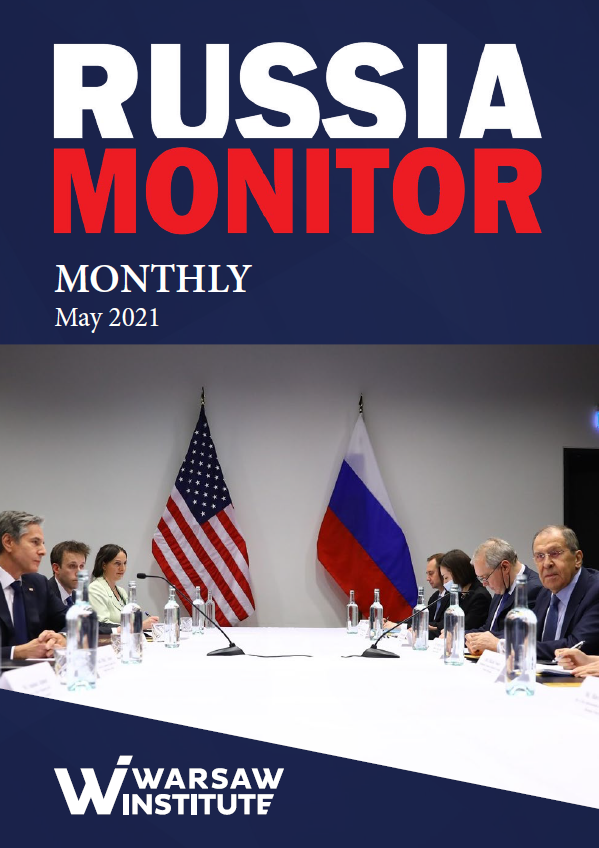
RUSSIA MONITOR MONTHLY 05/2021
Content
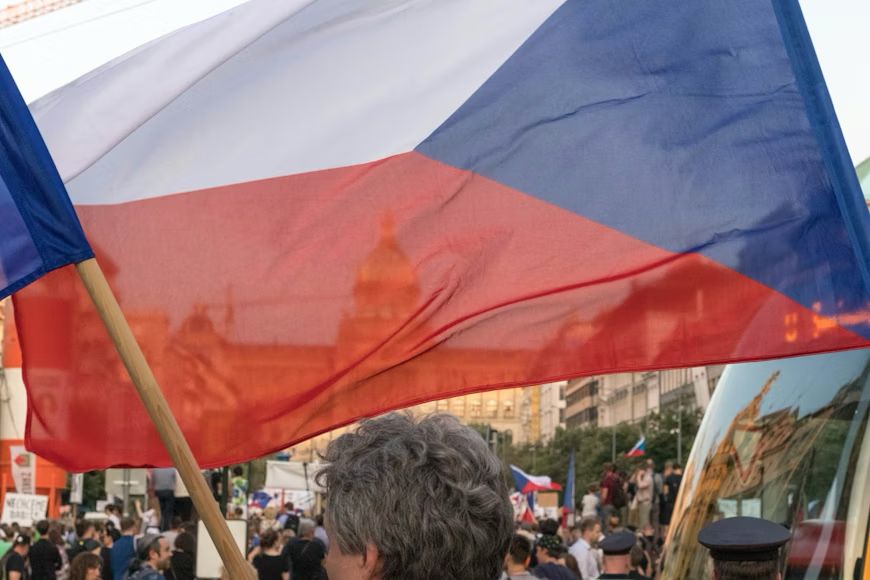
Non-surprise, Yet Wrapped in a Riddle? Results of Czech Parliamentary Elections 2025
At the beginning of October, the 9th general election to the lower house of the Czech Republic’s parliament (the Chamber of Deputies) took place. The election was a record in many respects – it had the highest voter turnout in this century (since 1998) and at the same time, in a nominal sense, the historically largest number of citizens participated.
Polscy badacze i polskie start-upy wśród gigantów sztucznej inteligencji na świecie
W ciągu zaledwie kilku lat Polska wyrosła na jednego z liderów rozwoju sztucznej inteligencji (AI) w regionie. Dotychczas nasz kraj kojarzono w dużej mierze jako centrum outsourcingu oprogramowania, niemniej dziś polskie firmy i instytucje coraz częściej tworzą autorskie rozwiązania w zakresie sztucznej inteligencji i zyskują tym samym międzynarodowe uznanie.
Polish Innovations in Artificial Intelligence: A New Frontier in Global Technology
In the global landscape of technological advancement, Poland has quietly but decisively become one of the most dynamic centers for artificial intelligence (AI) innovation. Once perceived primarily as an outsourcing hub for software development, the country has transformed into a birthplace of original AI research, groundbreaking algorithms, and globally recognized startups.
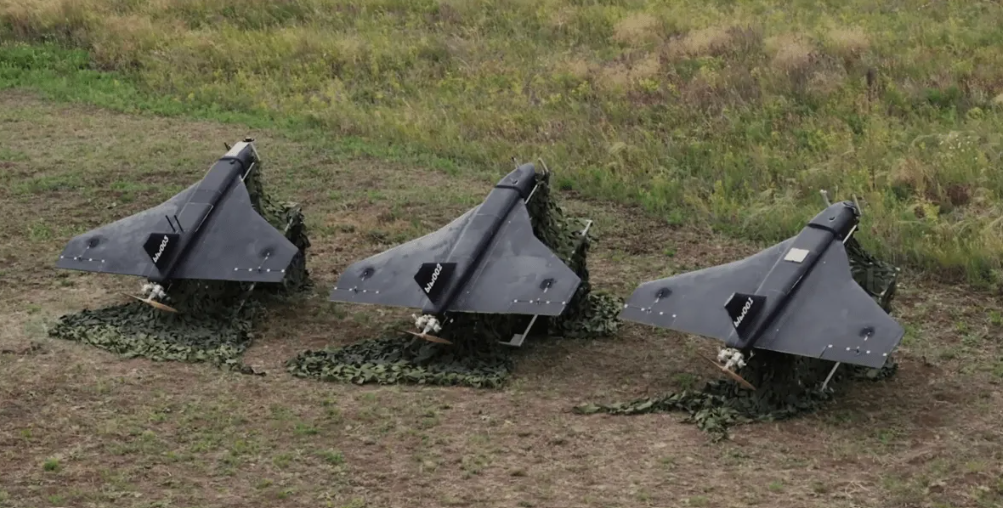
Moscow’s Creeping Escalation: Hybrid Pressure on Poland and the Alliance
As many Polish, Ukrainian, and European experts warned, Russia would not stop at Ukraine. Give it an inch, and it will take a mile. Combined with Vladimir Putin’s confrontational style of negotiation and statecraft, that appetite has now spilled onto NATO territory. When a wave of Russian drones crossed into Poland from Belarusian airspace on the night of September 9-10, 2025, the Alliance’s eastern flank entered a new phase of the war.
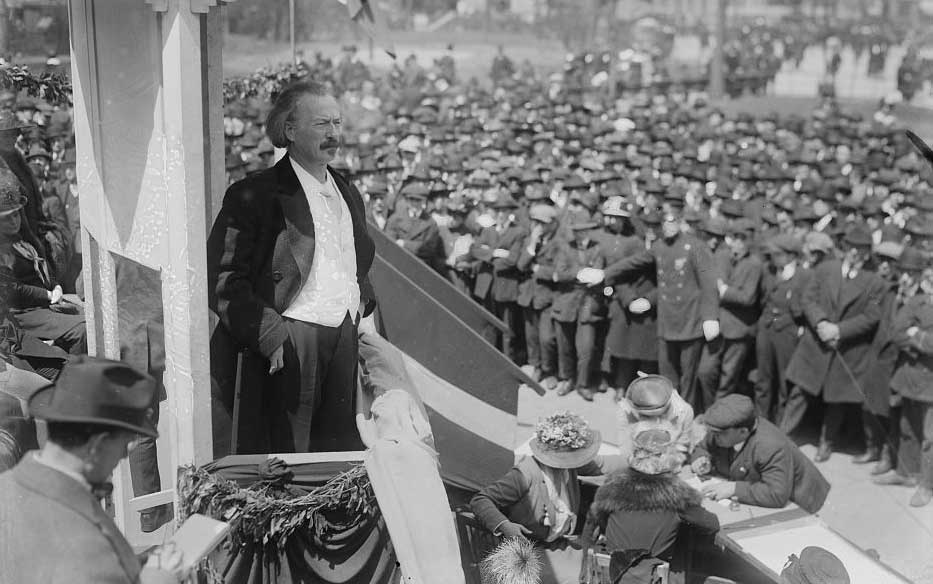
Od muzyki do niepodległości: biografia Ignacego Jana Paderewskiego
„Walczymy o Polskę całą, jedyną, niepodległą […] o Ojczyznę godną swych wiernych dzieci” – Ignacy Jan Paderewski, przemówienie na inauguracyjnym posiedzeniu Rady Narodowej Rzeczypospolitej Polskiej na uchodźstwie, Paryż, 23 stycznia 1940 r.
The Piano and the White Eagle: Paderewski – Music for Freedom
“We fight for a Poland whole, united and independent… for a Motherland worthy of her faithful children.” Ignacy Jan Paderewski, inaugural address to the National Council of the Republic of Poland in exile, Paris, 23 January 1940.
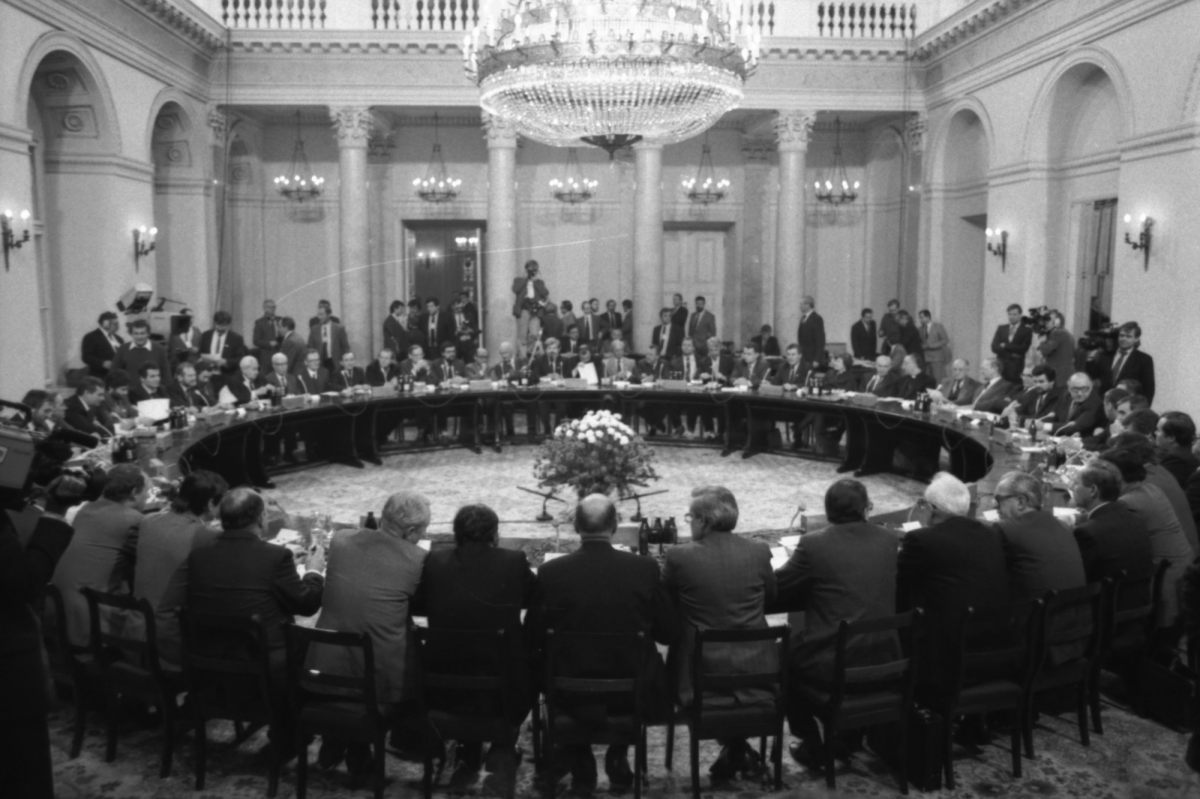
Poland as a Model of Political Transformation for the Global South
Poland’s post-1989 transformation represents one of the most remarkable cases of non-violent political transition in twentieth-century history. Over three decades, Poland evolved from a marginal economy on Europe’s periphery into a stable democracy and a fully developed market system. This transformation was neither spontaneous nor externally imposed; it was the outcome of a deliberate political strategy that combined social mobilization, elite accountability, and a long-term vision of modernization.
Polska jako model transformacji ustrojowej dla państw globalnego Południa
Historia polskiej transformacji po 1989 roku to jeden z najciekawszych przykładów pokojowej zmiany ustrojowej w XX wieku. W ciągu zaledwie trzech dekad Polska przeszła drogę od państwa gospodarczo peryferyjnego do dojrzałej demokracji i nowoczesnej gospodarki rynkowej. Nie był to jednak proces spontaniczny ani narzucony z zewnątrz, lecz rezultat świadomej strategii politycznej, w której połączono społeczną mobilizację, odpowiedzialność elit i długofalową wizję modernizacji.

Cyfrowe państwo: Polska liderem cyfryzacji w Europie
Jeszcze trzy dekady temu Polska była krajem, który dopiero wychodził z cienia komunizmu, zmagając się z trudnościami gospodarczymi i technologicznym zapóźnieniem. Po 1989 roku rozpoczął się jednak proces transformacji ustrojowej i ekonomicznej państwa, który spowodował dynamiczne nadrabianie dystansu wobec rozwiniętych państw Zachodu. Dziś można śmiało powiedzieć, że Polska nie tylko zdołała dogonić wiele z nich, lecz w niektórych rozwiązaniach stała się wręcz pionierem.
Digital State: How Poland Became a European Leader in Digitalisation
Only three decades ago, Poland was stepping out of communism’s shadow, confronting economic challenges and a technology gap that would shape its digital journey. Following the fall of communism in 1989, Poland began a transformative journey, rapidly narrowing the gap with more developed Western countries. Today, the country has not only caught up with many of its Western peers but has also emerged as a pioneer in certain digital solutions.
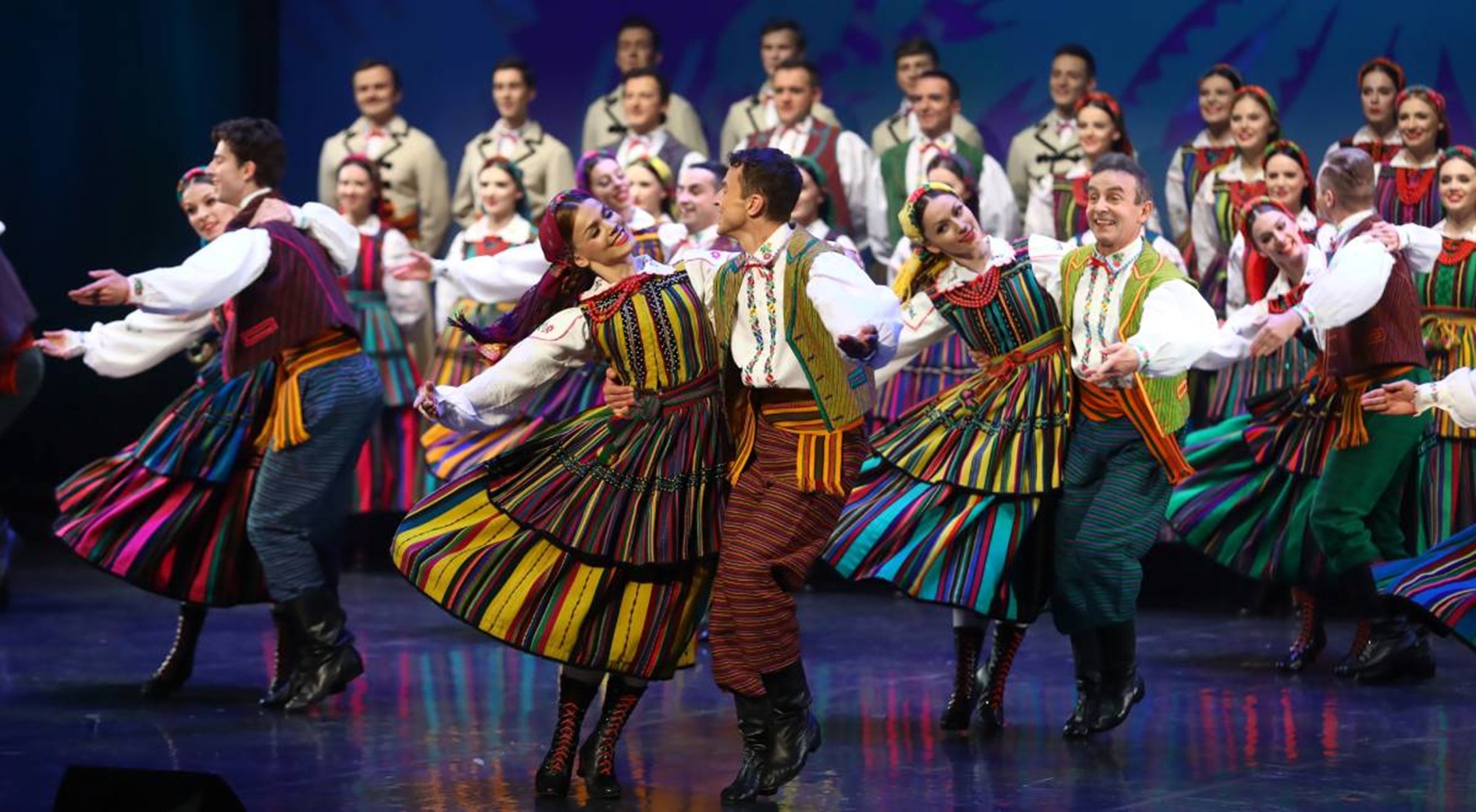
Zespoły pieśni i tańca – ambasadorowie polskiej kultury na świecie
Polska systematycznie intensyfikuje promowanie swoich sukcesów gospodarczych, rozwoju miast, infrastruktury turystycznej, przemysłu i wzrostu perspektyw na lokalnym rynku pracy. Mniej oczywistym, lecz nie mniej istotnym elementem pozytywnie wyróżniającym Polskę jest jej bogaty dorobek kulturowy, reprezentowany na całym świecie między innymi przez wybitne zespoły folklorystyczne.
Song and Dance Ensembles: Poland’s Cultural Ambassadors to the World
Poland has been steadily strengthening its global profile, presenting not only its economic achievements but also its urban renewal, expanding tourism infrastructure, thriving industries, and promising labor market. Less visible, yet equally defining, is the country’s cultural wealth – brought vividly to life on the world stage by its celebrated folklore folk.
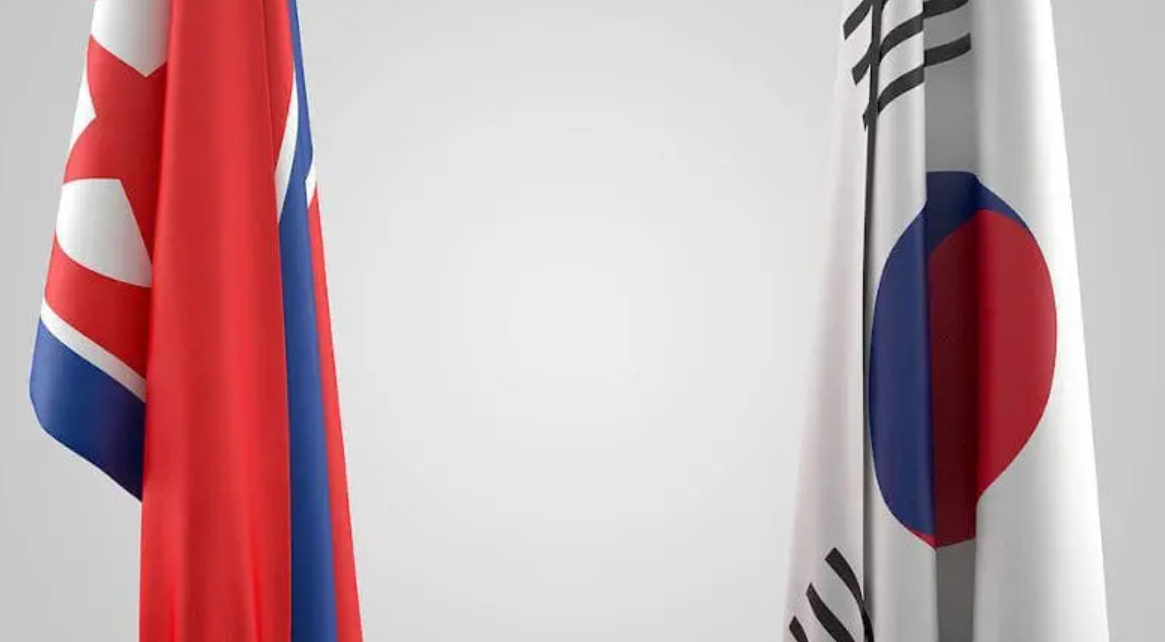
Korean Unification From A European Perspective: Lessons From Poland And Europe Supporting Korea In Its Path Towards Unification
As part of the Korea Monitor project, Warsaw Institute – together with dozens of experts, researchers, and journalists from Europe and the Republic of Korea – engaged in discussions, analysis, and knowledge exchange to highlight the lessons Europe can share. By presenting best practices and accumulated experience, the report explores potential processes that could support the Korean people on their way toward unification.
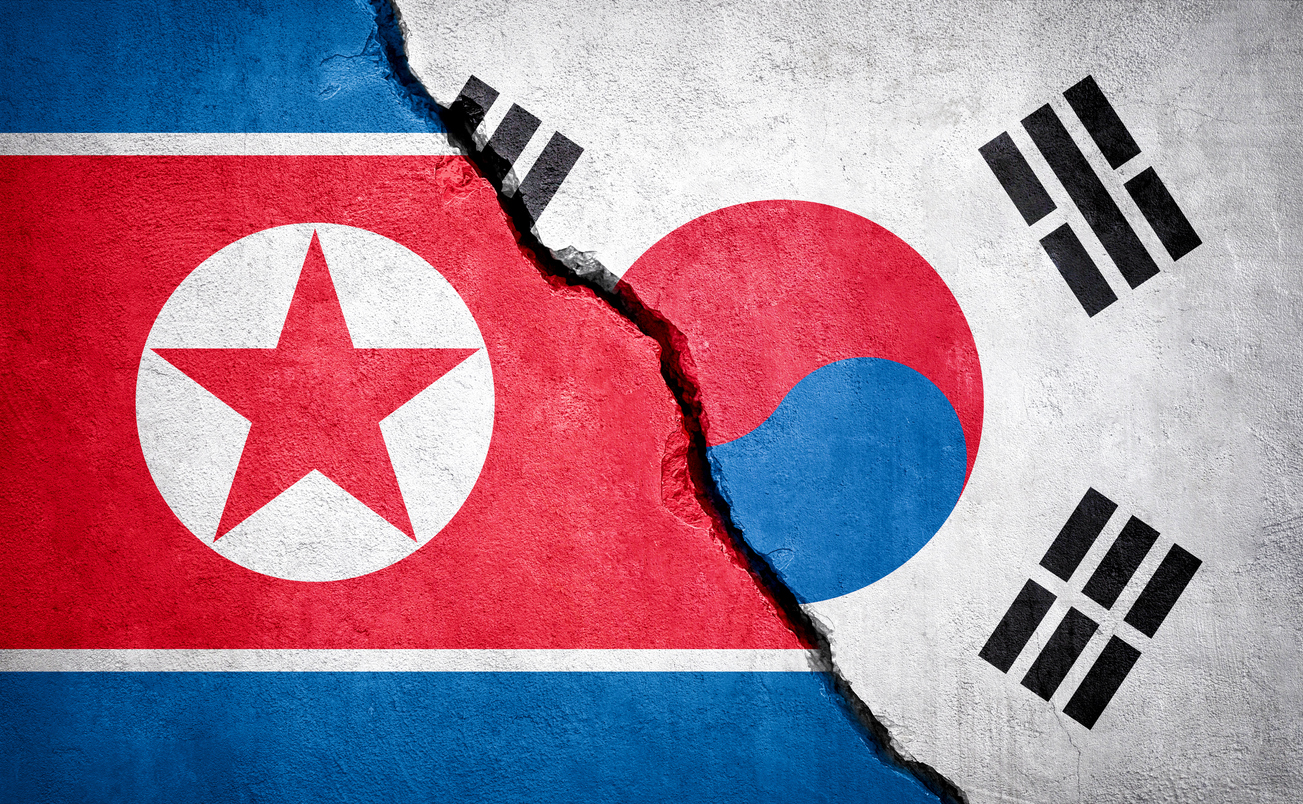
The long way home: Insights from European integration for the Korean peninsula
Despite the significant cultural, historical, and geopolitical differences between Korea and Europe, the European integration experience provides a wealth of knowledge about how highly divided societies can come together. European nations’ journey from conflict to cooperation highlights the value of shared norms and the strength of institutions.
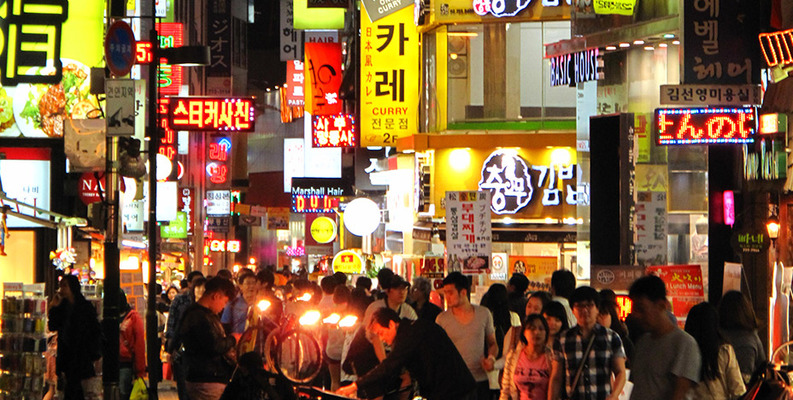
Demography and Unification Challenges: Population Decline as a Fundamental Factor in Korean Reunification Strategic Planning
As both South and North Korea’s populations are significantly declining, the demographic crisis is currently a primary issue in Korea’s unification discourse. While military, diplomatic, and huma nitarian issues have dominated strategic planning for a unified Korea, the demographic crisis neces sitates a more in-depth focus.
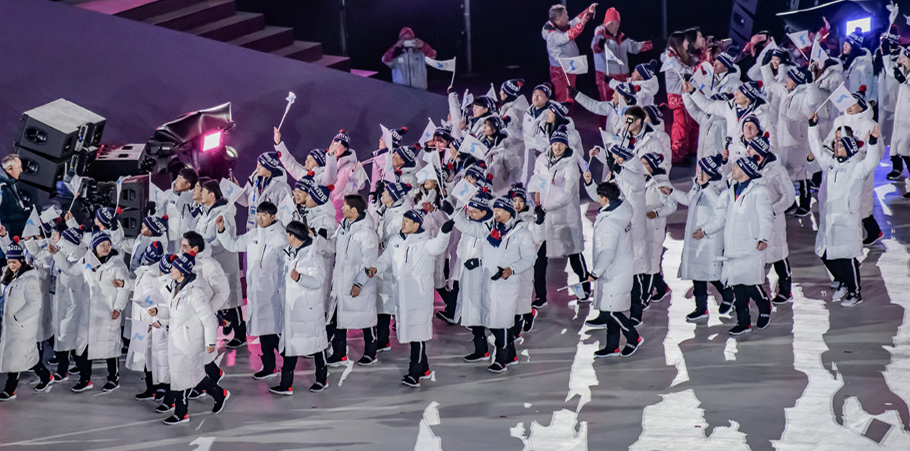
The lessons of the Ostpolitik and successive Sunshine Policies in modern inter-Korean relationships
It has been more than 75 years since the Korean Peninsula was separated. For the last decades, the wish for normalizing the inter-Korean relations and the possibility of reunification have crossed the mind of some South Korean leaders. In the early 2000s, upon the incentive of normalizing their relations with North Korea, South Korea took inspiration from the German Ostpolitik in the development of the Sunshine Policy .
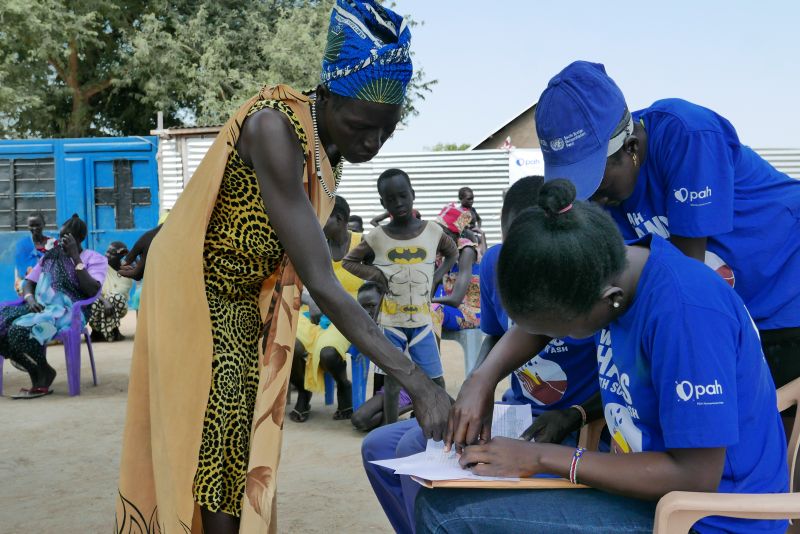
Solidarity Beyond Borders: Poland’s Humanitarian and Development Efforts in Africa
When discussing Poland, we seldom consider its role in global development aid. We have grown accustomed to seeing our country only as its recipient. But throughout history, our solidarity has often gone beyond the borders of both our country and continent. Today, it resurfaces as a strategic lever in politics, diplomacy, and responsible governance, particularly within Africa.
Solidarność bez granic – Polska pomoc humanitarna i rozwojowa w Afryce
Kiedy mówimy o Polsce, rzadko myślimy jaka jest jej rola w światowej pomocy rozwojowej. Przywykliśmy do myślenia o naszym kraju jako takim, który dopiero co sam ją przecież otrzymywał. A jednak – nasza historia pełna jest momentów, w których solidarność wykraczała poza granice nie tylko naszego państwa ale i kontynentu. Dziś powraca jako narzędzie polityki, dyplomacji i odpowiedzialności – szczególnie w kontekście Afryki.
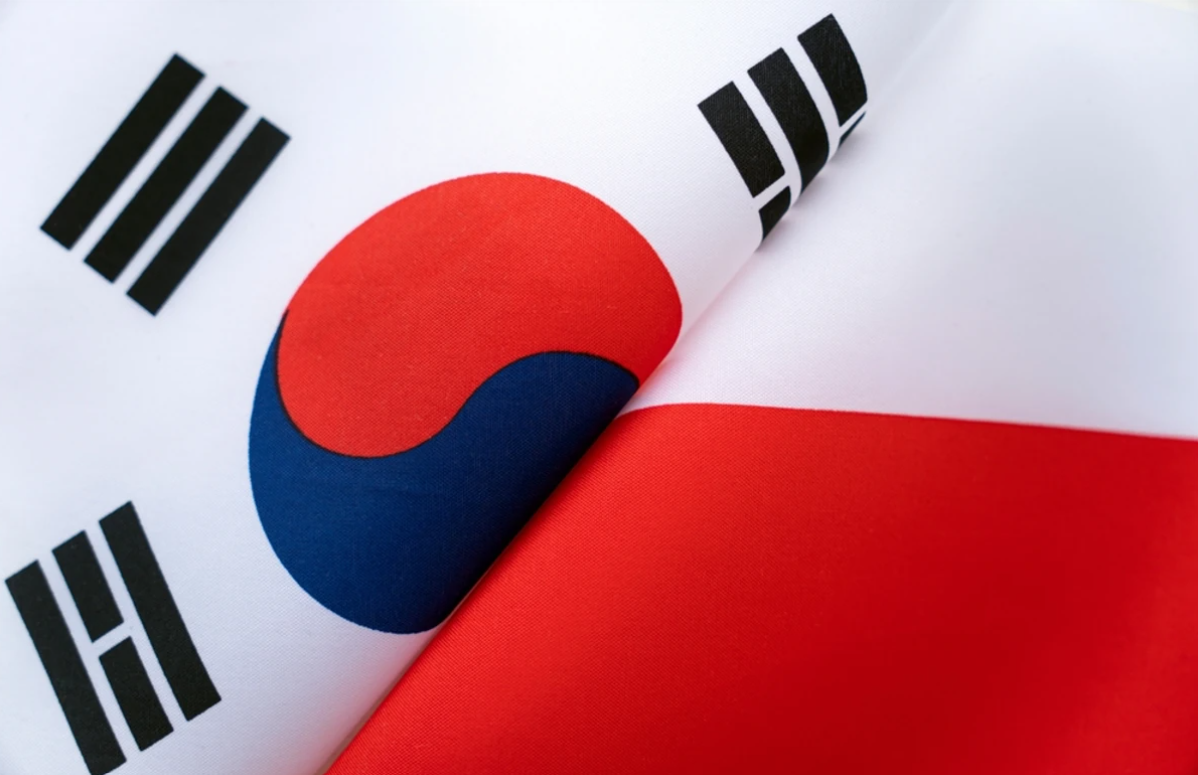
Maintaining National Identity Through Division: What Korea May Learn from Poland
When political borders divide nations, national identity often becomes the invisible thread that holds the promise of reunification together, or on the contrary, the force that cements permanent separation.
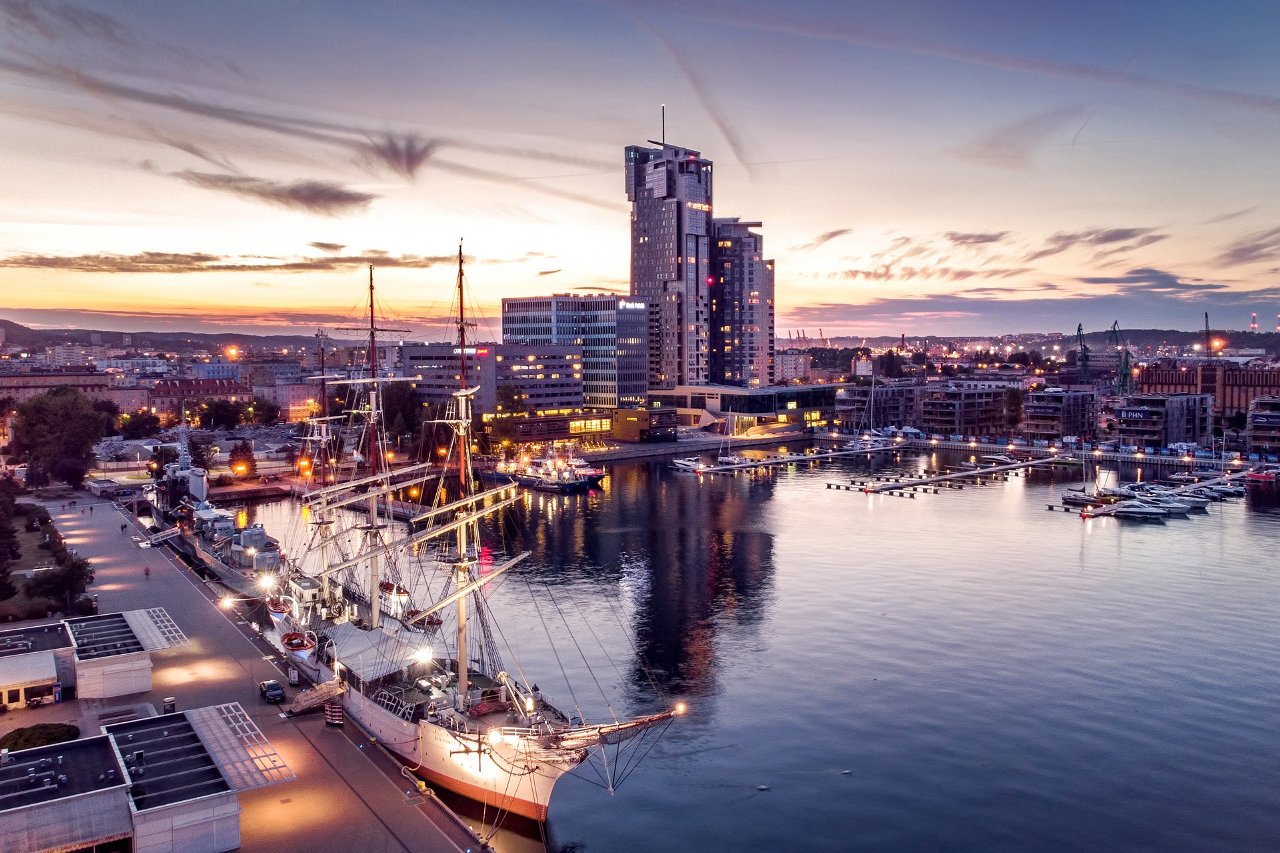
Gdynia: Where the Sea Meets Dreams
Cradled between the Baltic Sea and the rolling moraine hills, a once-sleepy Kashubian fishing village gave way, in the 1920s and 1930s, to one of the most visionary enterprises in the modern history of the Polish nation.







Fundacja Warsaw Institute