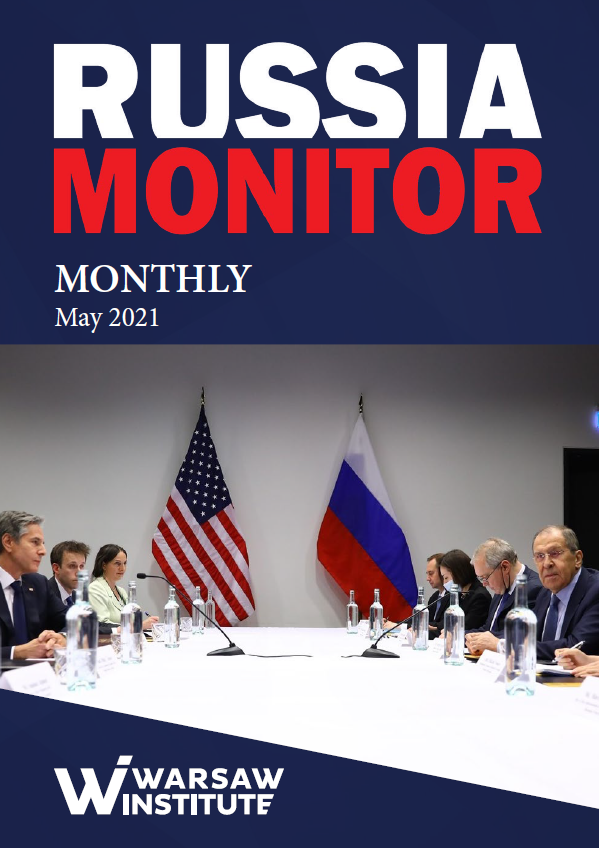
RUSSIA MONITOR MONTHLY 05/2021
Content
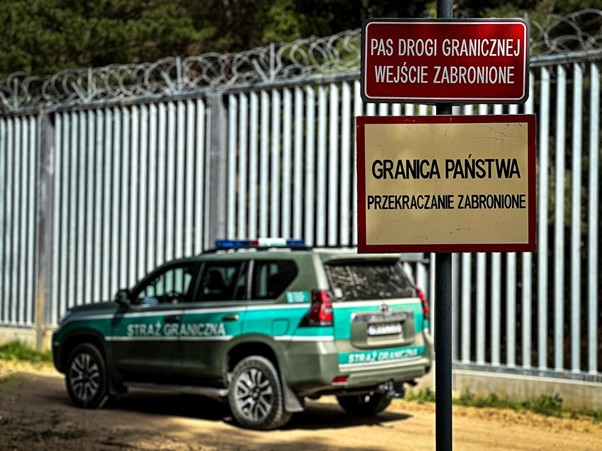
The Polish-Belarusian Border: Russian and Belarusian Narratives
In today’s geopolitical landscape, Poland is engaged in ongoing hybrid warfare with the Russian Federation. This kind of offensive operation is a cornerstone tactic for Vladimir Putin, involving spreading disinformation about the border situation and manipulating it to fit the pro-Kremlin policy and narrative.
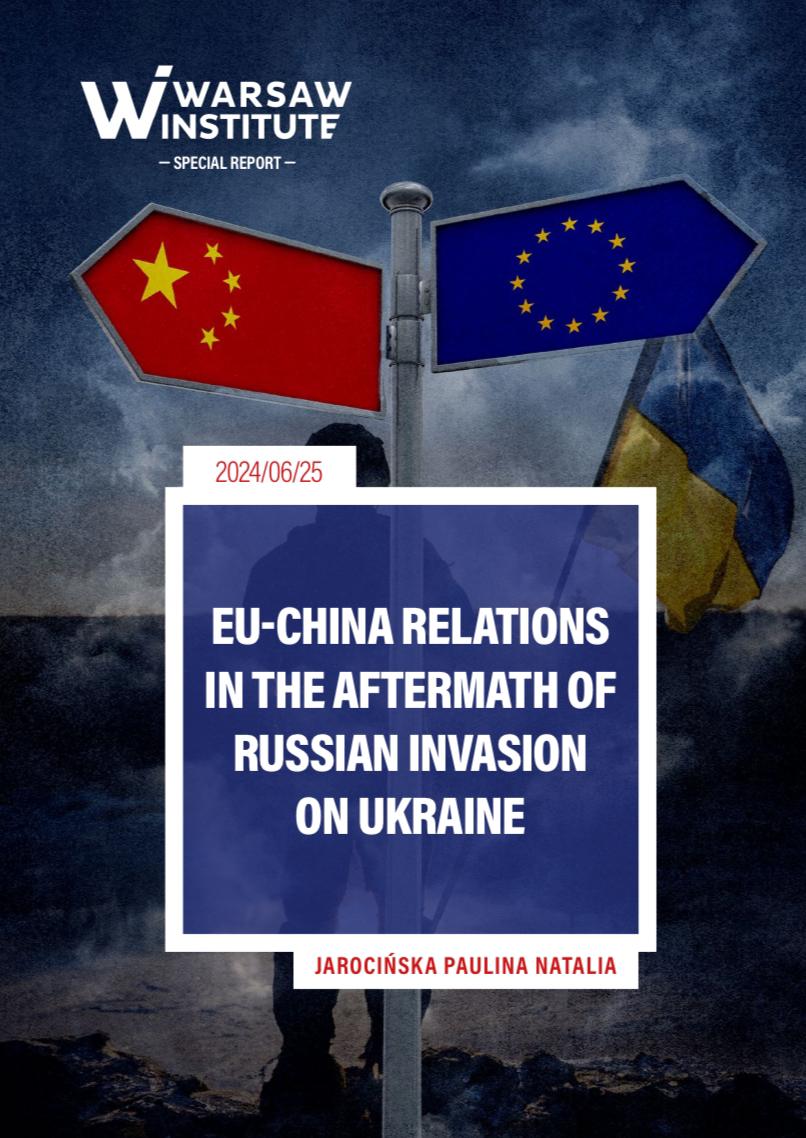
EU-China relations in the aftermath of Russian invasion on Ukraine
The current state of China-EU relations has reached a critical juncture, necessitating strategic and decisive actions in order to foster rapprochement

What is Italy’s interest and involvement in the Three Seas region?
The Three Seas Initiative focuses its activities on the Central and Eastern European region, however the projects proposed may include the participation of not only the 13 members of the Initiative. Often other European countries are involved and can benefit from activities promoted by the Three Seas Initiative.
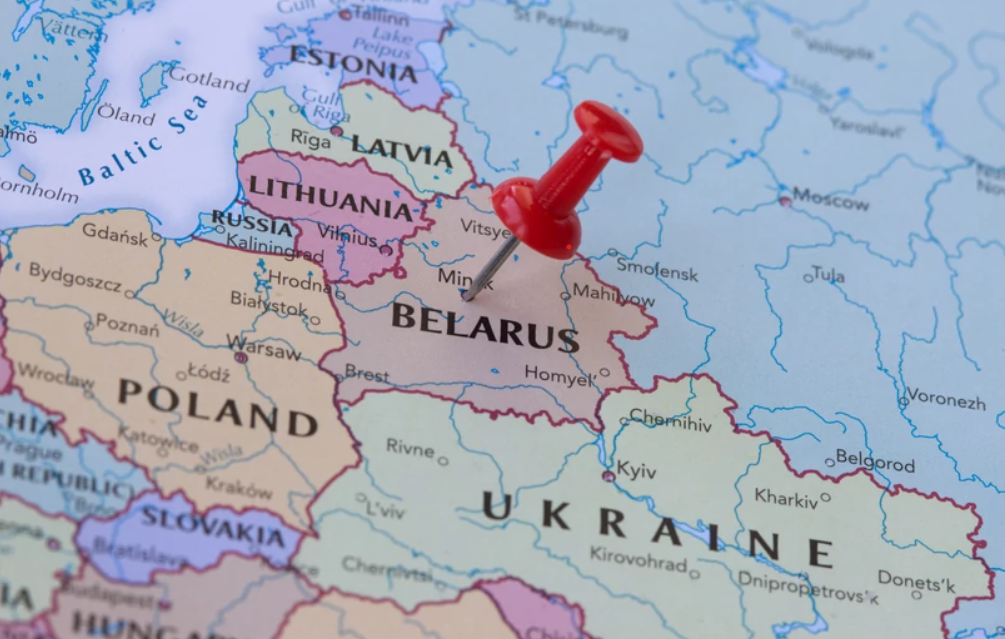
Belarus Uses Fugitive Polish Judge to Sow Disinformation
The Belarusian propaganda machine has been exploiting Tomasz Szmydt, a high-ranking judge from a Warsaw administrative court, to produce and disseminate propaganda content. Through both media statements and social media posts, he propagates various Russian disinformation narratives––to enhance the image of Belarus and Russia while disparaging Poland and Western countries.
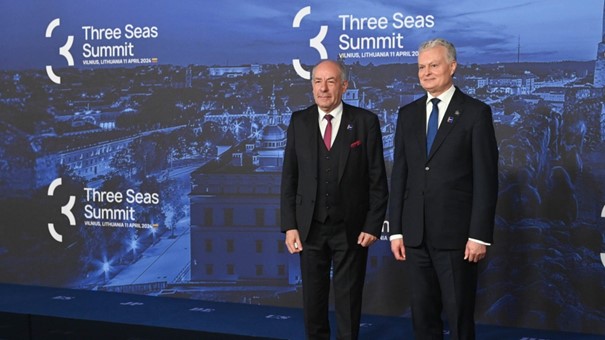
How can Hungary benefit from the Three Seas Initiative?
Hungary has been a member of the Three Seas Initiative since 2015. The country’s position and role in the Three Seas Initiative is significant in several respects. The question may arise as to how the country actually views the Initiative.
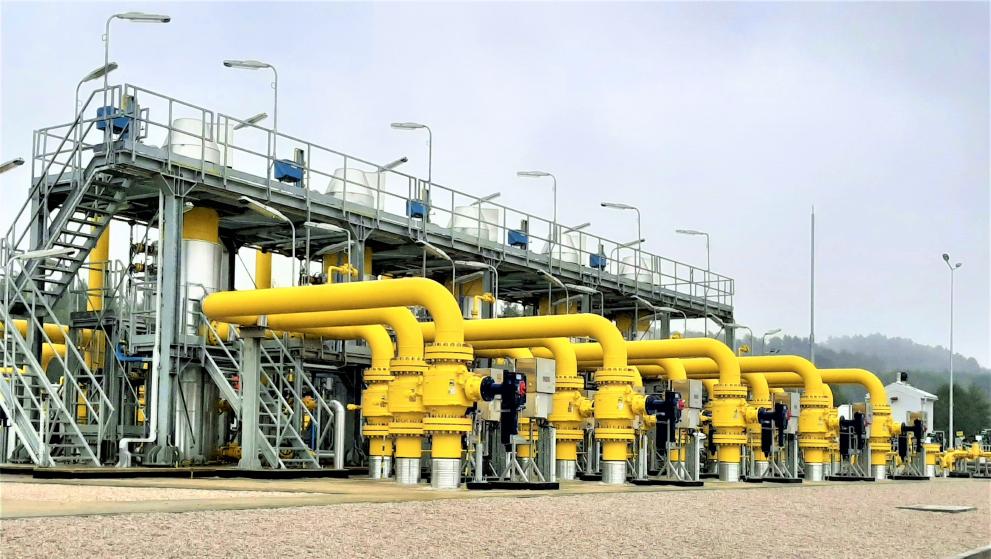
The Value of Energy Interconnection in Three Seas region
Improving cross-border electricity interconnections is one of the main goals of the European Union, as well as improving security of energy supply and fostering renewable energy sources into the markets.

The Working Group on conservatism in Europe
The Working Group on Conservatism in Europe is a partnership of institutes, which have been working together since 2022 to identify and define European conservative ideas and traditions, as a starting point for a wider conversation that could draw out common principles.
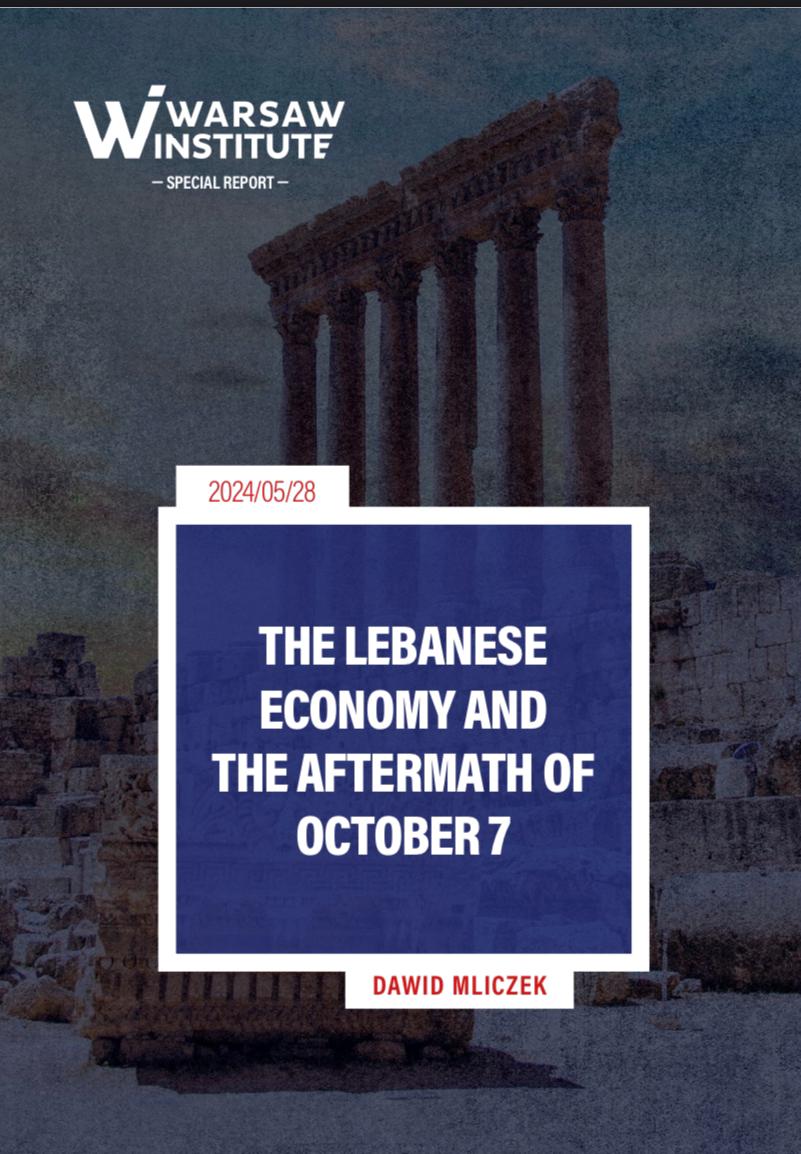
The Lebanese Economy and the Aftermath of October 7
,,The Lebanese Economy and the Aftermath of October 7” report by Dawid Milczek is available for you!
The multidimensional poverty rate has nearly doubled from 42% in 2019, to 82% in 2021, leaving people in Lebanon grappling with the realities of food insecurity, unemployement and deteriorating living conditions…
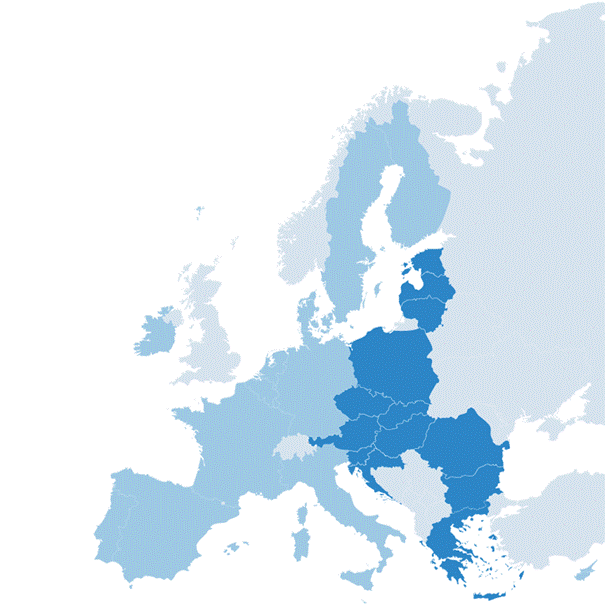
What does it take to join the Three Seas Initiative?
In the last year or less, the Three Seas Initiative has seen its biggest expansion since its inception: Greece has become a full member, Moldova and Ukraine have become associate partners, Japan joined as a strategic partner and Montenegro expressed its intent to associate with the Initiative. In these circumstances, one might ask, how is it possible to join?
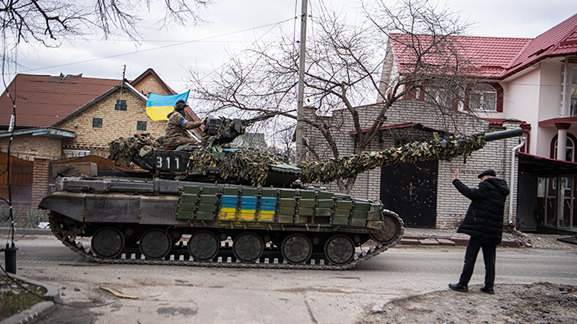
How have 3SI member states reacted to recent developments with the War in Ukraine?
Currently, in an isolated and localized manner the war in Ukraine has developed tactical advantages for Russia, however, Ukraine still retains strategic coherence and cohesion. Therefore, how have 3SI (Three Seas Initiative) member states, which predominantly lay on the border with Ukraine or Russia, if not in the immediate vicinity, reacted to these developments?
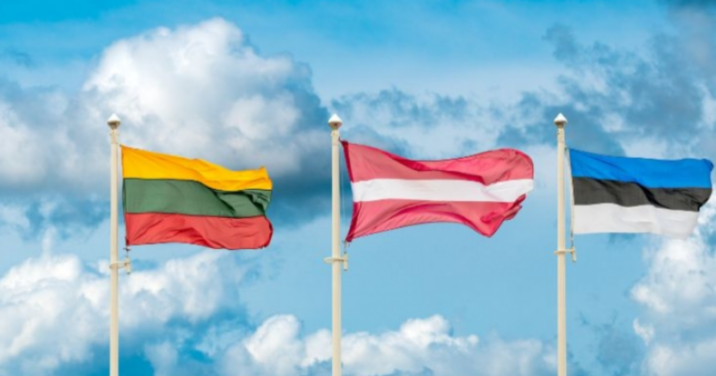
Discovering the benefits: How the Three Seas Initiative empowers the Baltic States
What is the impact of the Three Seas Initiative on the Baltic countries? These countries are already members of the European Union and the NATO, thus they play an important role in the politics and development of the Eastern European region, not only due to their presence on the Baltic Sea, but also because of their territorial proximity to Russia .
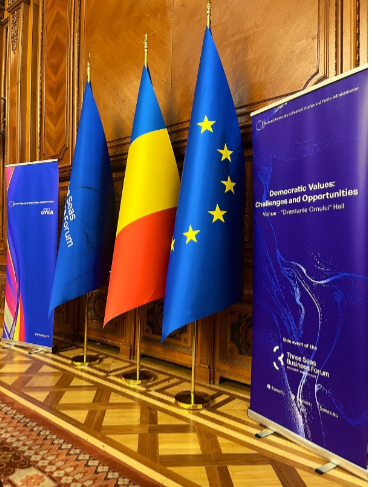
Across the narrow Three Seas? The future of Moldova accession
Moldova has become an associate partner of the Three Seas Initiative at the Bucharest Summit on 6-7 September 2023. With this enlargement, it has taken another step towards European integration. However, the question arises as to what the chances are of joining Three Seas Initiative as a member.
The Three Seas Initiative: A Vanguard in Digitization and Cybersecurity
Over the years, one country from the Three Seas region has consistently stood out not only in comparison to other European nations but also on the global stage. Its remarkable achievements in digitization and cybersecurity architecture have garnered attention and set it apart.
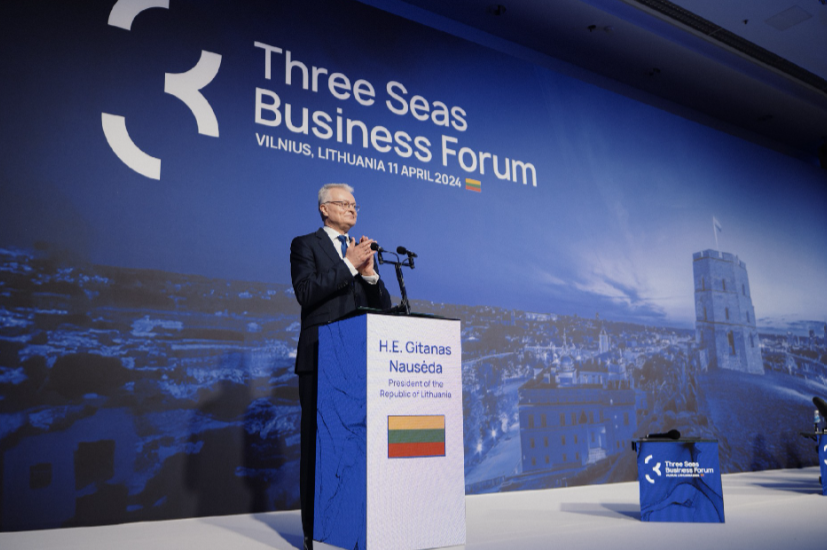
Facing the new challenges
Originally just a platform to improve the infrastructure in the region and bring it to a European level, the Three Seas Initiative is increasingly developing into a political platform, that also deals with the security policy challenges and threats, posed by the Russian war of annihilation against Ukraine.

Navigating the Energy Transformation in the Three Seas Region: Current Trends, Future Challenges, and Emerging Opportunities
The Three Seas Initiative is a regional cooperation project that seeks to increase investment and capital flows in the region, especially in the energy sector.
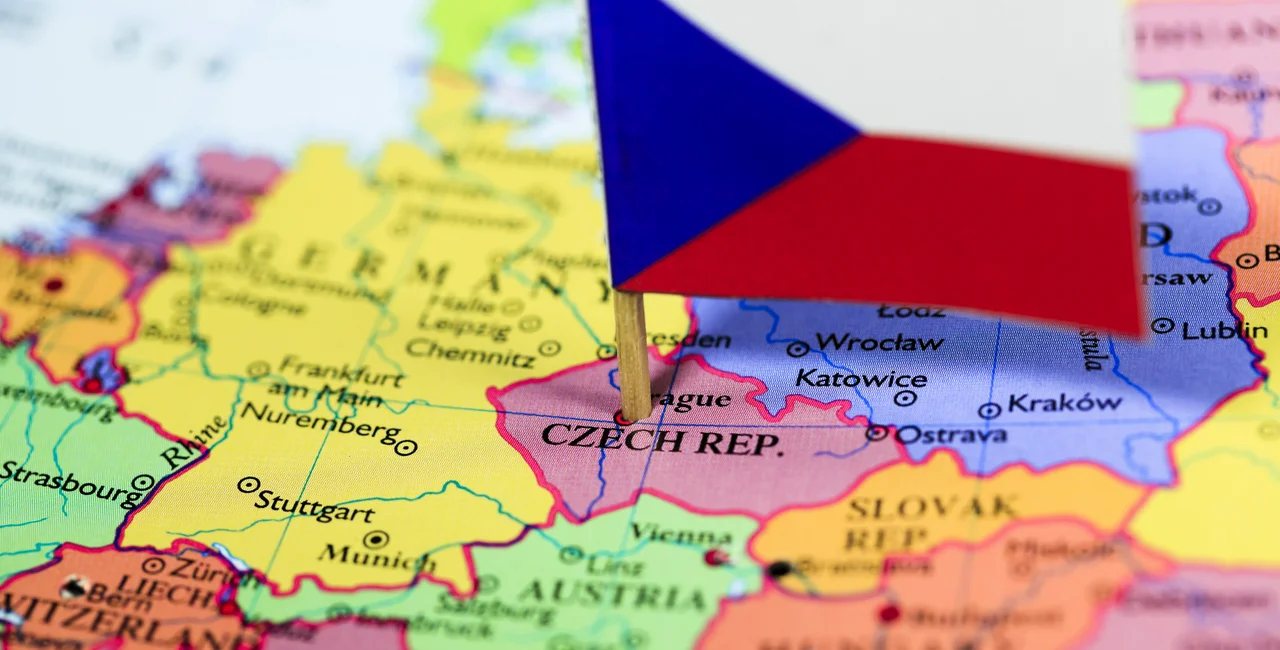
Disinformation in the Czech Republic (from): Foreign Perspective
The Czech Republic has been confronting a significant challenge with the rise of disinformation, especially regarding critical international issues such as the war in Ukraine, the conflict between Israel and Palestine, and the circumstances surrounding the death of Russian opposition figure Alexei Navalny.
Poland and the West Amidst Internal Security Challenges
Originally envisioned as a bastion of prosperity and security in a globalizing world, Europe faced immense challenges following the trauma of the first half of the 20th century.

Disinformation Narratives in Czech Republic: Domestic Overview
The Czech Republic has a long tradition of combatting Russian propaganda. “The Russians like to label everything Russian as Slavic, so that later they can label everything Slavic as Russian,” the great Czech writer Karel Havlicek Borovsky declared back in the nineteenth century.
ZACIĘTA DYSKUSJA
In recent months, the Czech Republic has witnessed a surge in disinformation campaigns, posing significant challenges to its democratic fabric and information ecosystem.

A HEATED DEBATE
In recent months, the Czech Republic has witnessed a surge in disinformation campaigns, posing significant challenges to its democratic fabric and information ecosystem.










Warsaw Institute