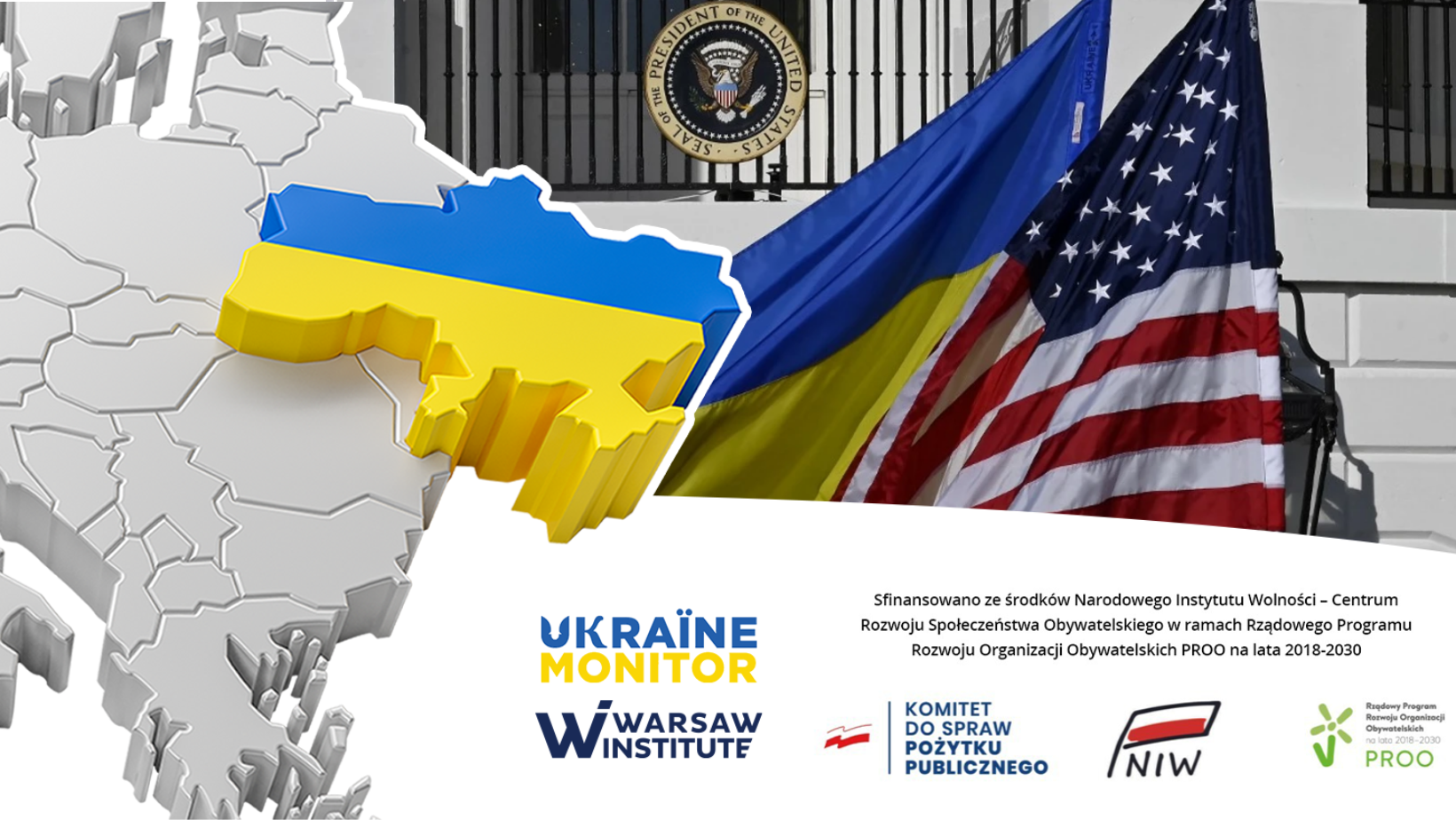
U.S. Announces New $250 Million Military Aid Package for Ukraine
The Defense Department on December 27, 2023, announced a security assistance package for Ukraine valued at up to $250 million. The package includes air defense capabilities, artillery and antitank weapons, and medical equipment.
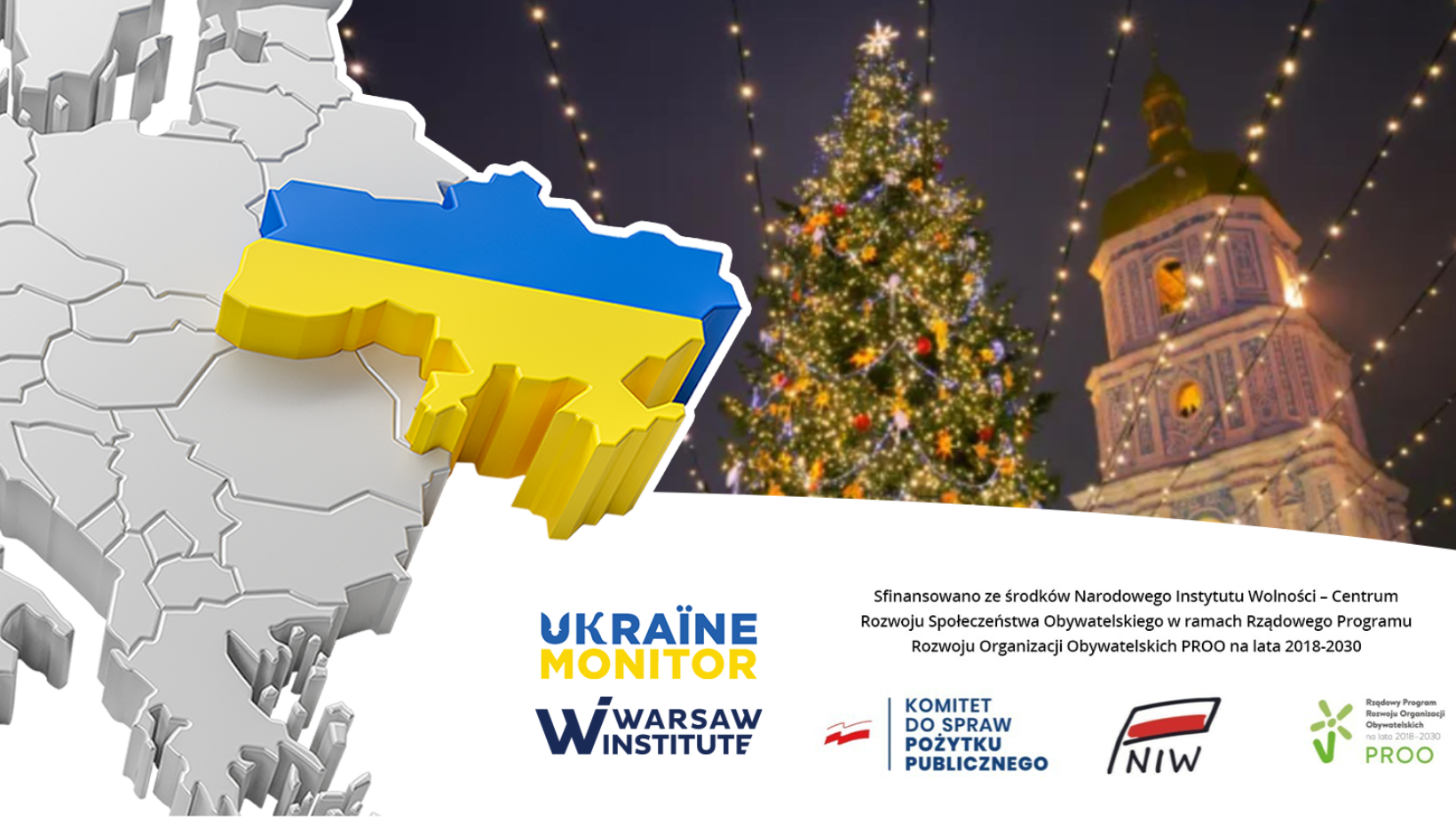
Ukrainians Celebrate Christmas on December 25 for the First Time
Ukrainian Orthodox Christians attended services as the country for the first time celebrated Christmas on December 25, after the government changed the date from January 7, when most Orthodox believers celebrate. Shifting the date from January 7 to December 25 is seen as another symbol of breaking away from Moscow, signifying the nation’s intent for lasting cultural ties with the West.
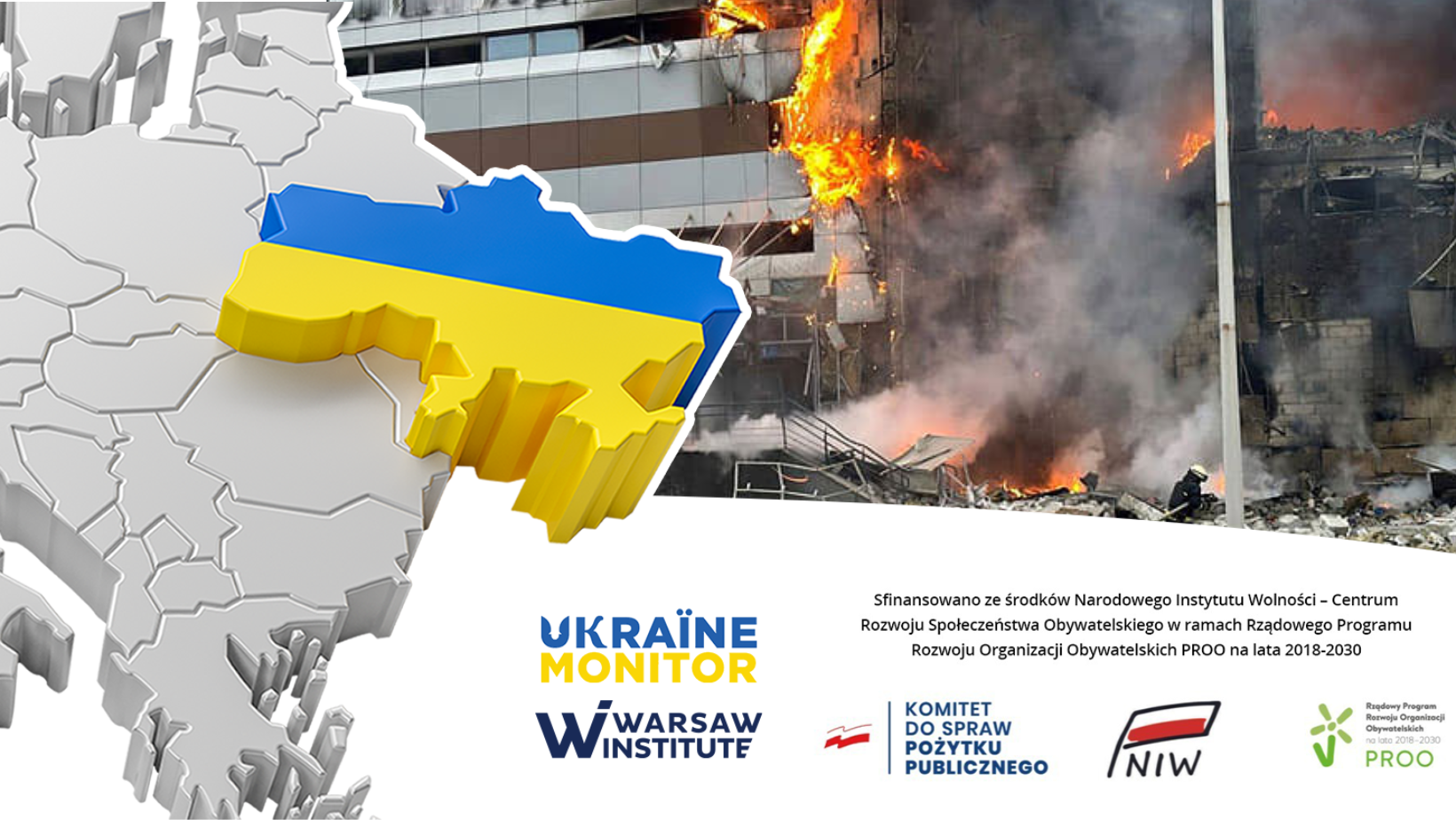
Russia Launches Missiles in Biggest Air Attack on Ukraine Since Start of Full-Scale Invasion
Russia launched the biggest air attack on Ukraine since the beginning of the full-scale invasion on the morning of December 29, 2023, with 110 missiles fired. Despite numerous shoot-downs, the scale of the attack overwhelmed Ukrainian air defense, resulting in considerable damage and casualties across the country.

Ukraine Damaged Russian Novocherkassk Landing Ship
At 2:50 AM on December 26, Ukraine carried out an airstrike in Crimea that destroyed a Russian Navy tank landing ship. The Novocherkassk (142) / BDK-46 (Project 775) is a large landing ship from the NATO reporting name Ropucha-class. The attack was carried out by cruise missiles Storm Shadow / SCALP-EG, launched from two Su-24M/MR reconnaissance aircraft.
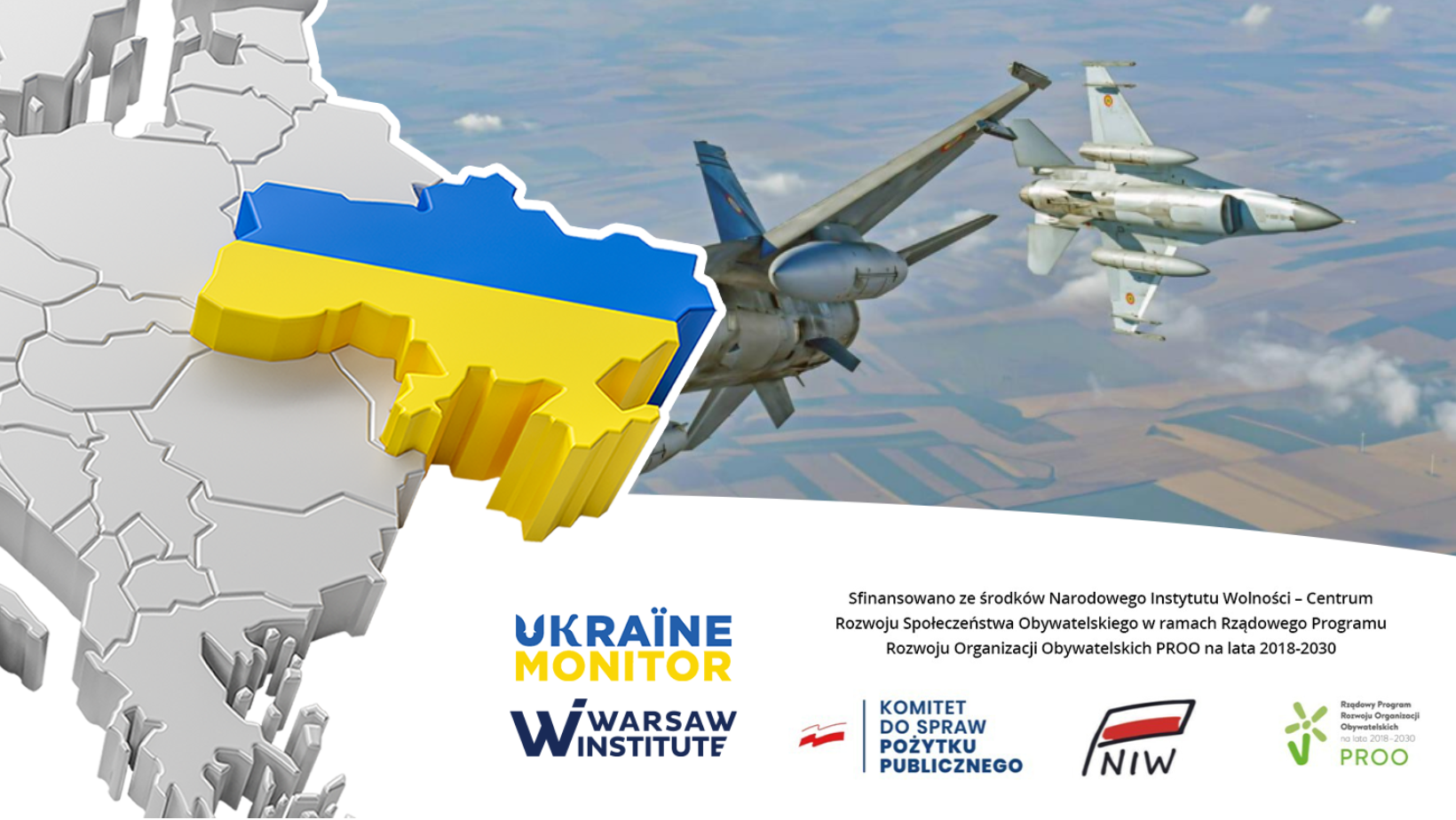
Ukraine Is Waiting For First Batch of F-16
As 2024 approaches, the anticipation of the arrival of the first F-16 multirole fighters grows. The Kyiv government believes that Western jets will aid in securing air superiority and boosting morale, particularly following the setback of an unsuccessful counteroffensive.
Ukraine Legalizes Medical Marijuana to Address Mental Health Crisis
In late December, Ukraine’s parliament approved the legalization of medical cannabis as the nation responds to the growing ranks of war veterans requiring treatment for injuries and post-traumatic stress disorder.
Republicans in the Senate Voted to Block Aid Package for Ukraine
On Wednesday, December 7, Republicans in the Senate voted to block an emergency spending bill that would have provided assistance to Ukraine, Israel, and other measures relevant to security. This represents another chapter in the deepening American domestic divide, a factor that could ultimately shape the fate of Ukraine.
EU To Open Membership Talks With Ukraine
European Union leaders agreed on December 14 to start accession talks with EU candidates Ukraine and Moldova while granting formal candidate status to Georgia. Despite that, Viktor Orban, the Hungarian prime minister, opposed Brussels’ proposal to provide €50 billion from EU coffers to Kyiv.
Analytical articles

Between Political Alliance and Institutional Constraint: Serbia and Croatia in Hungary’s Electoral Context
Hungary’s elections are drawing attention across Europe, yet their significance is particularly pronounced for neighbouring states that are closely intertwined with Budapest within a network of regional political and economic interdependencies. For these countries, the stakes extend beyond the electoral outcome itself, encompassing the future direction of cooperation and the broader configuration of regional relations.
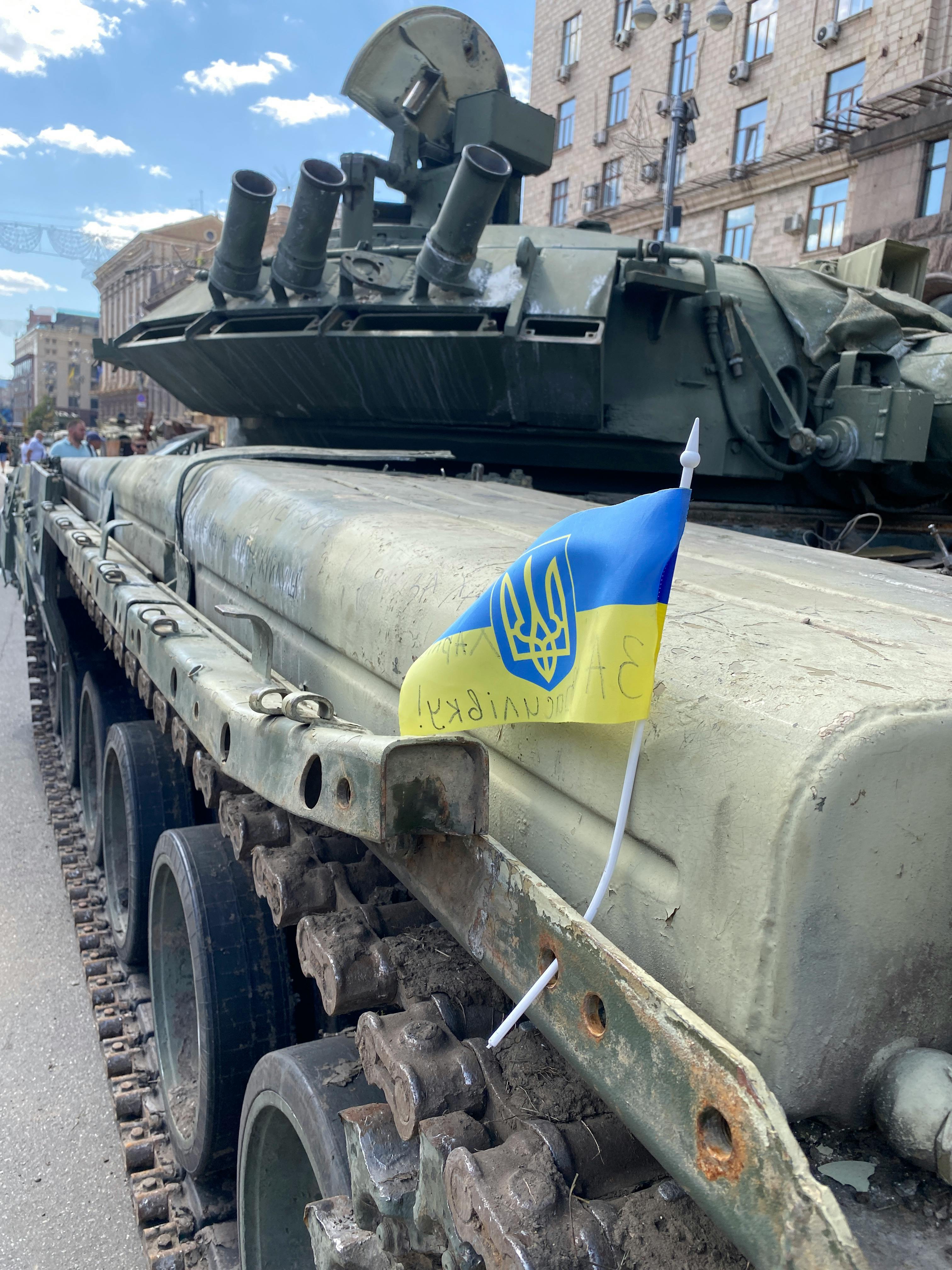
The War in Ukraine: Russia’s Spring False Start
Certain aspects of Russia’s war against Ukraine are predictable. One of them is the launch of new offensive operations in the spring. This is timed early enough for Vladimir Putin to be able to present some form of military success on Red Square on 9 May. This year, however, the situation does not appear promising for the Kremlin – at least for now. That said, this is not yet the beginning of a full-scale spring–summer offensive.
Crossroad between East and West. A retrospective analysis of the 2024/25 Moldavian situation
“The presidential elections and the referendum on the 20th of October will be the most important events after the declaration of independence – they will mark the Moldavians’ destiny for the next decades.” – The Ambassador of the Republic of Moldova to Romania, commenting on the 2024 Moldovan Referendum

Serbia under Pressure in the Energy Market: The State as a Crisis Buffer
Rising tensions in the Middle East and sharp increases in oil prices—exceeding $100 per barrel in recent weeks—have quickly translated into Serbia’s domestic policy response. The reaction of the authorities in Belgrade shows that in times of global instability, the state once again steps in as the primary instrument for stabilising both the economy and social conditions.
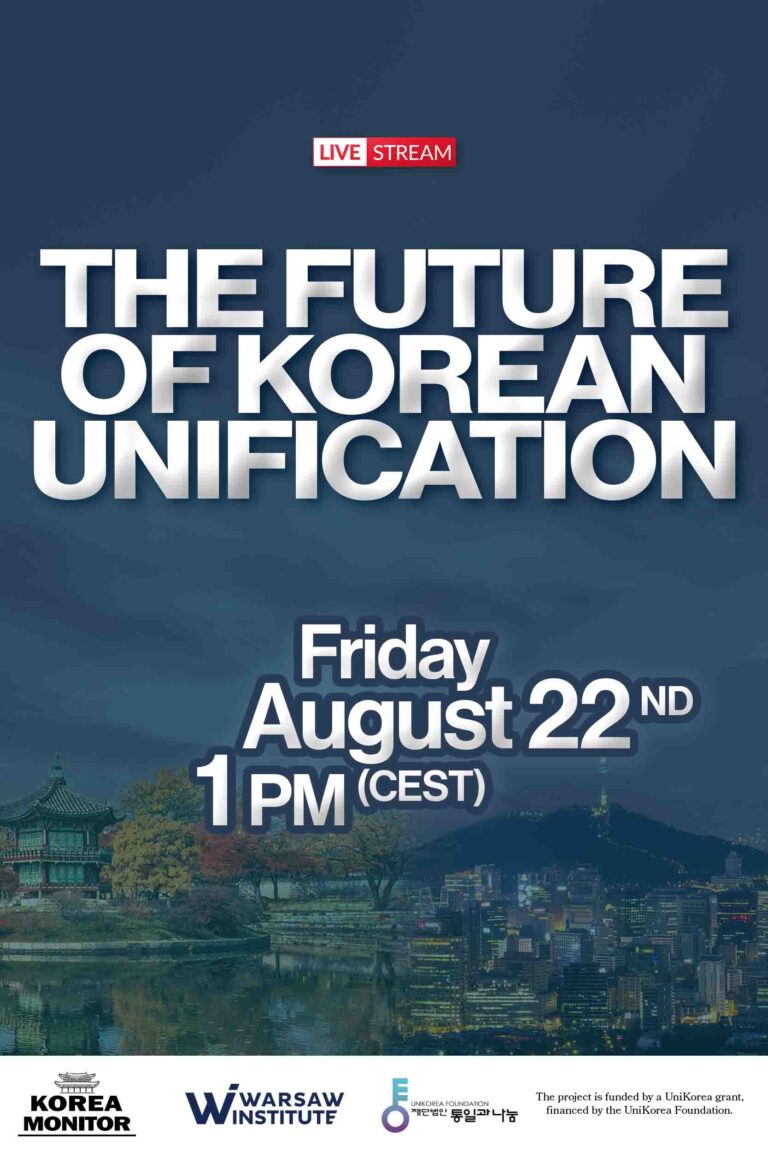
Past event, Date: 08/11/2025
Korean Unification and Polish Historical Experience: Can Polish History Inspire Unity?
Special Reports
The Phenomenon of the Forgotten State: Poland’s Distinct Position Within the Developed World
It has been more than 75 years since the Korean Peninsula was separated. For the last decades, the wish for normalizing the inter-Korean relations and the possibility of reunification have crossed the mind of some South Korean leaders. In the early 2000s, upon the incentive of normalizing their relations with North Korea, South Korea took inspiration from the German Ostpolitik in the development of the Sunshine Policy .
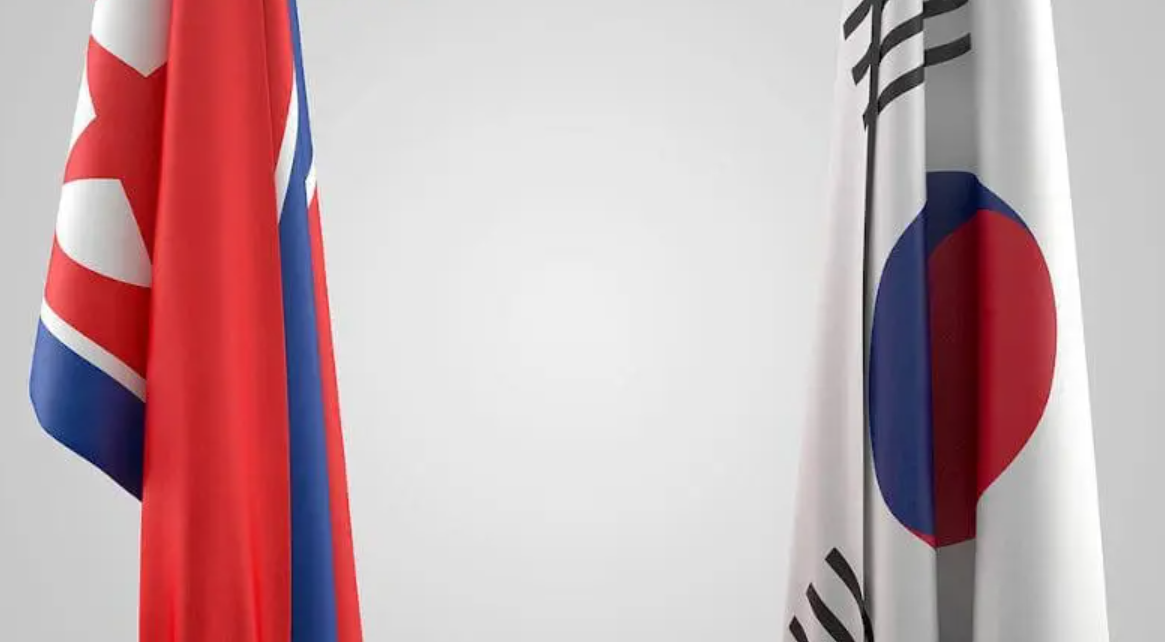
Korean Unification From A European Perspective: Lessons From Poland And Europe Supporting Korea In Its Path Towards Unification
As part of the Korea Monitor project, Warsaw Institute – together with dozens of experts, researchers, and journalists from Europe and the Republic of Korea – engaged in discussions, analysis, and knowledge exchange to highlight the lessons Europe can share. By presenting best practices and accumulated experience, the report explores potential processes that could support the Korean people on their way toward unification.
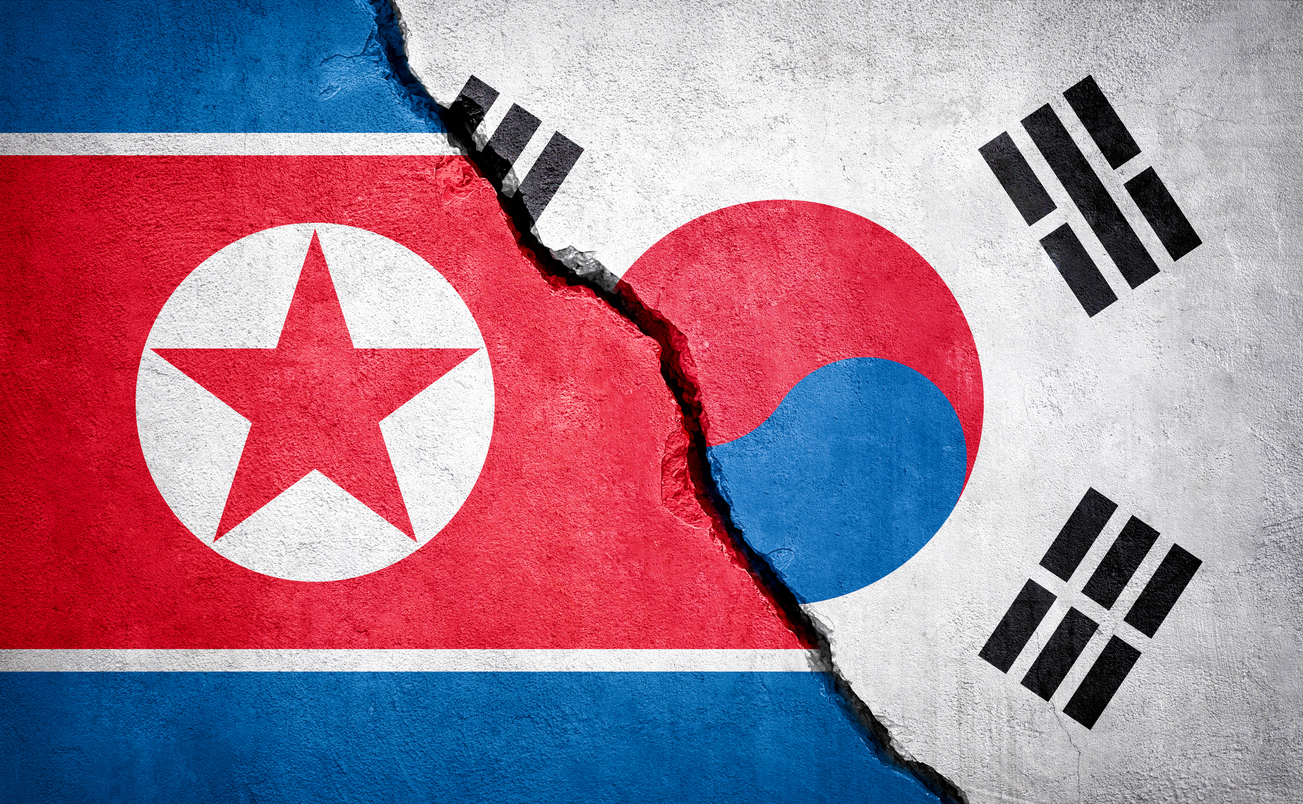
The long way home: Insights from European integration for the Korean peninsula
Despite the significant cultural, historical, and geopolitical differences between Korea and Europe, the European integration experience provides a wealth of knowledge about how highly divided societies can come together. European nations’ journey from conflict to cooperation highlights the value of shared norms and the strength of institutions.
Demography and Unification Challenges: Population Decline as a Fundamental Factor in Korean Reunification Strategic Planning
As both South and North Korea’s populations are significantly declining, the demographic crisis is currently a primary issue in Korea’s unification discourse. While military, diplomatic, and huma nitarian issues have dominated strategic planning for a unified Korea, the demographic crisis neces sitates a more in-depth focus.

Video




Warsaw Institute