Opinions
Disinformation, Hate Speech and Power
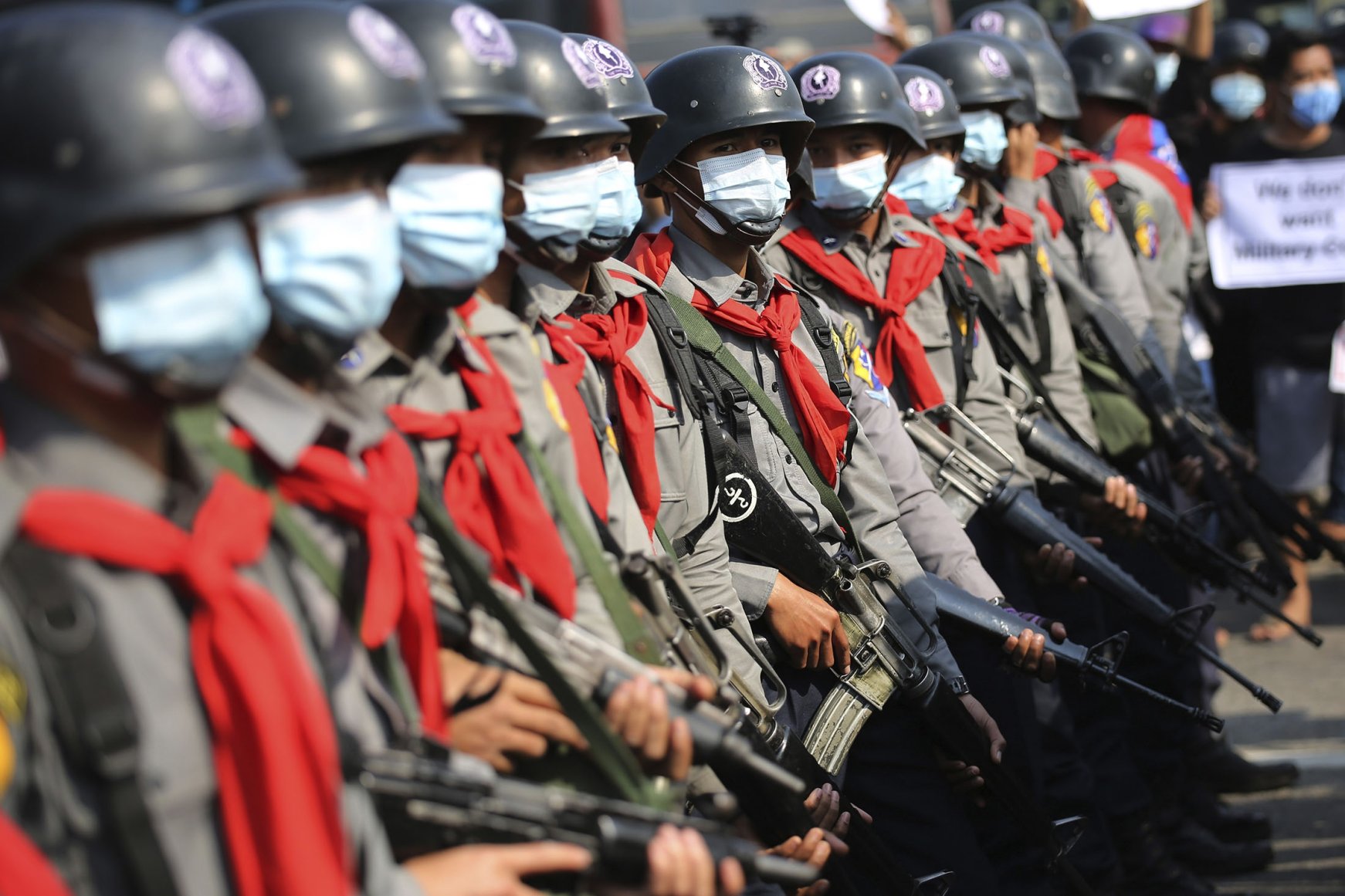
Disinformation (against a group of people), hate speech and the acquisition of power have a special relationship. During the History we can see how these three elements cooperate and how can the disinformation and hate speech lead to a coup or a successful election.
China in Francafrique
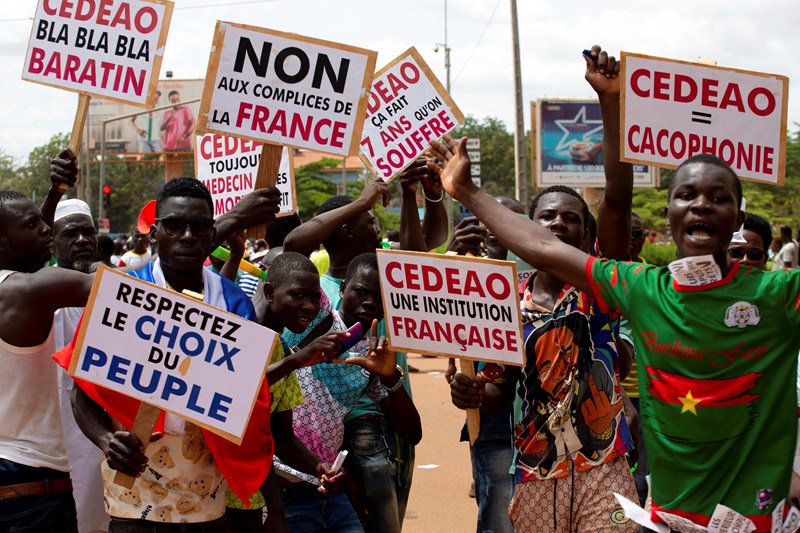
The question of Francafrique is very complicated and it is difficult to describe the nature of ties between France and the former colonies. The research of Francafrique is priceless, because it can help a lot to understand the diplomatic war between the great powers.
Russia and China in Africa
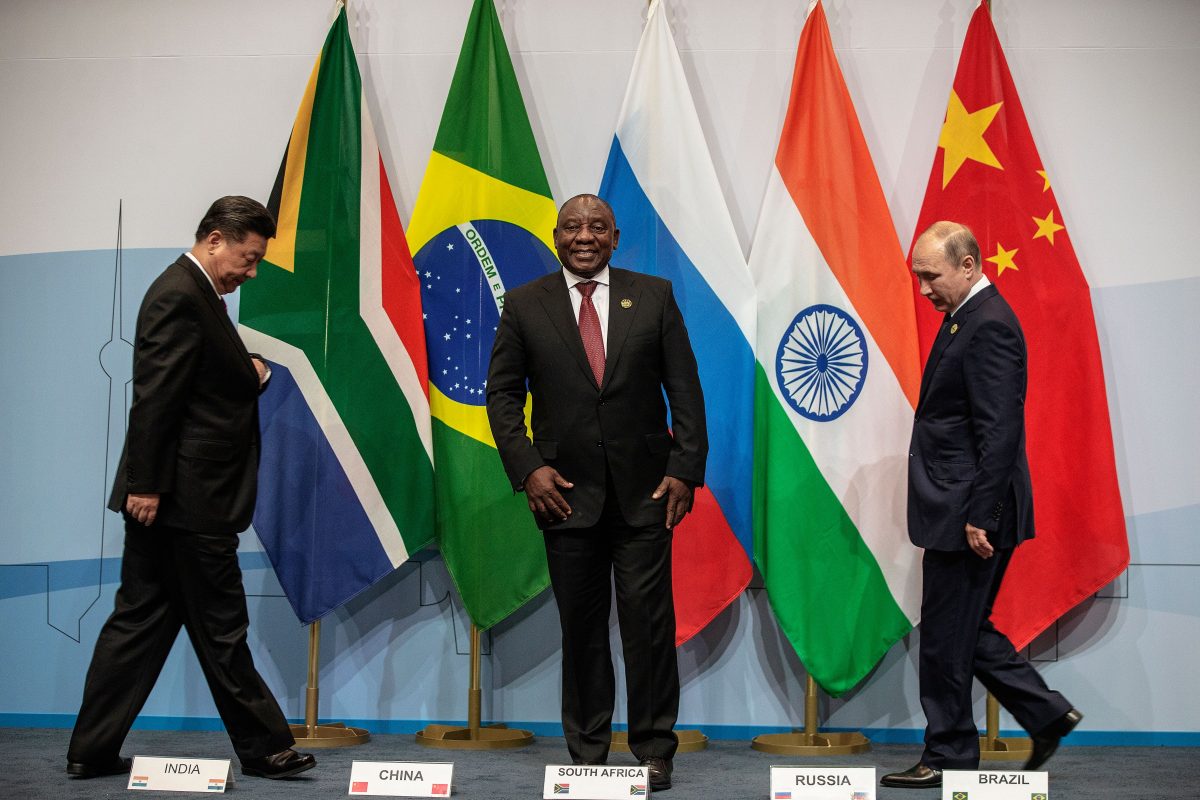
Russia’s mercenary system fights against China’s modern imperialism and of course there are the rest of the world is also playing role in Africa. A lot of countries make their business activity in Africa and try to get political and diplomatic influence in this area1. Make contracts, buy mines, bring military, and establish military bases. But what is the importance of Africa? And how do these two major powers seek to influence in Africa?
Azerbaijan-Georgia Partnership as a Key for EU’s Long-term Energy Security
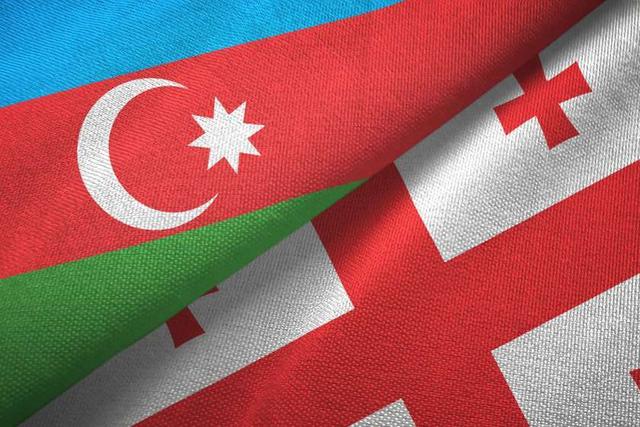
Azerbaijan and Georgia are two neighboring countries of the South Caucasus and strategic allies. The Caspian Sea region is rich in oil and natural gas resources, and Azerbaijan’s major export routes are connected to Western energy markets via Georgia and Turkiye. Moreover, these countries support connectivity in the region, which is an important link between Central Asia, the Caspian region and Europe. To this end, both Azerbaijan and Georgia have also strategic partnerships with Ankara.
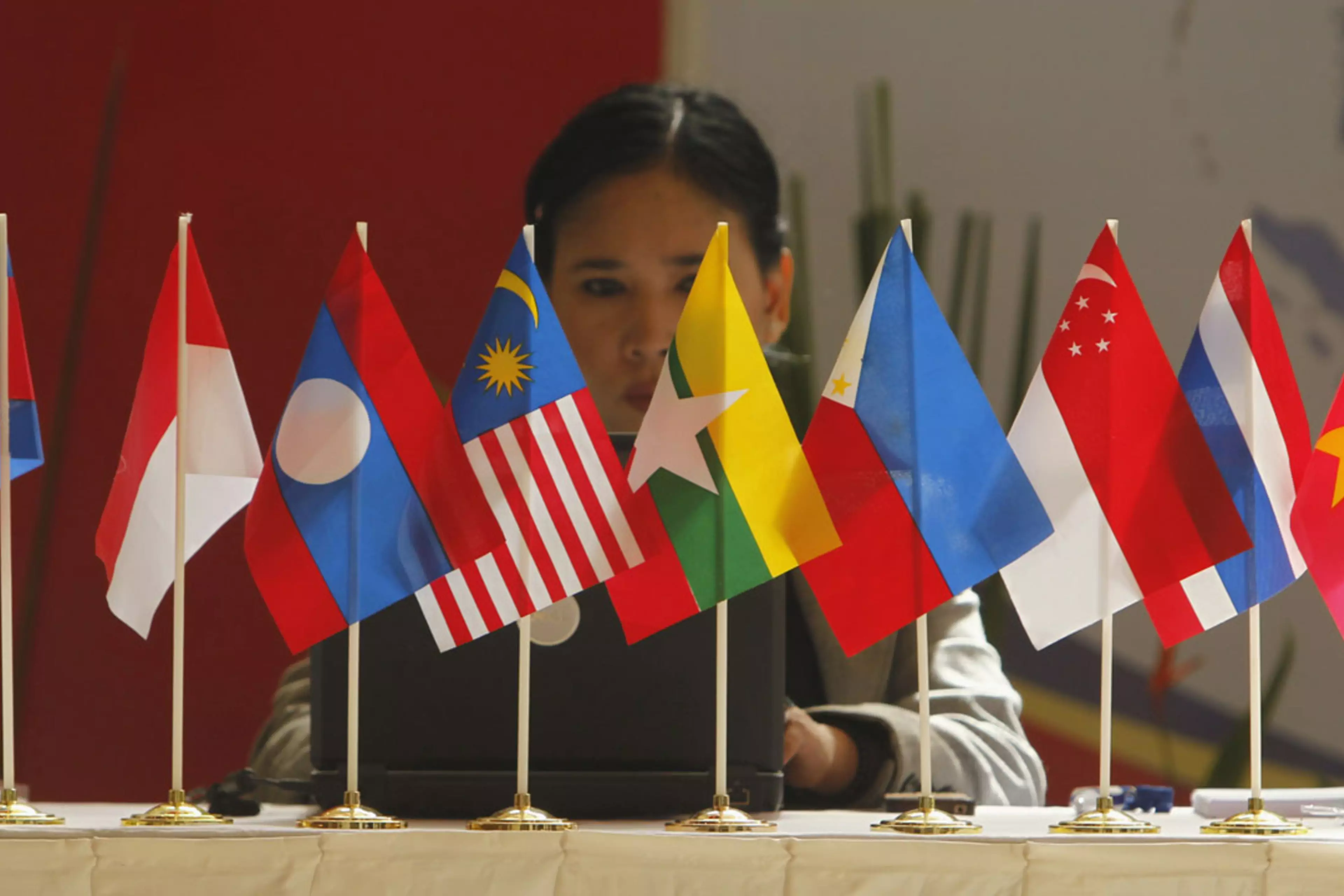
How to contain an increasingly assertive China?
Tensions in the South China Sea are on the rise. The United States has just pledged to defend Philippine vessels if they are attacked over there, after Beijing and Manila blamed each other after a China Coast Guard ship fired water cannons at a Philippine boat. The incident may well be deliberately provoked by China to test the commitment of the United States in the region.
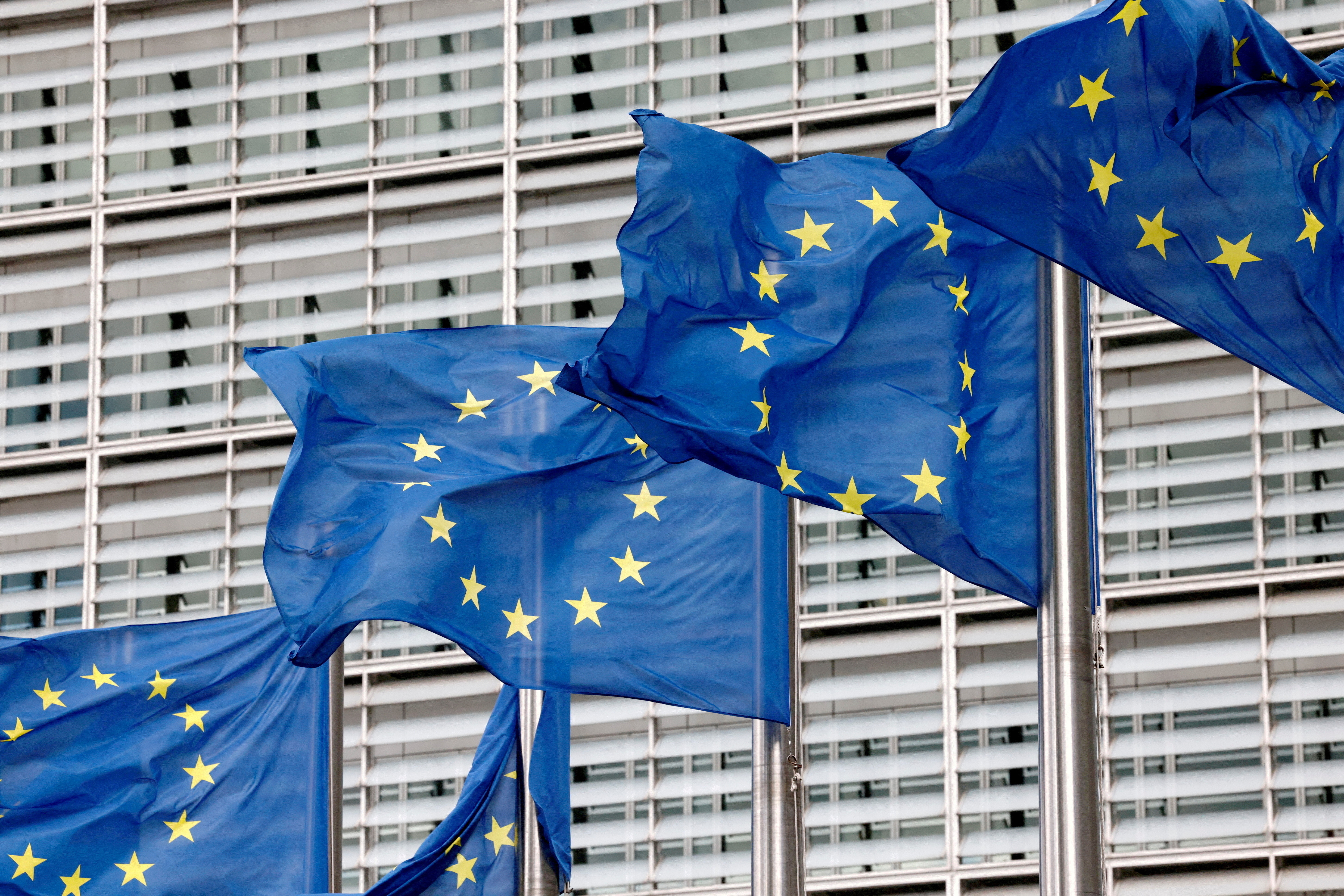
The European consensus on climate policy is unraveling
The departure of EU “climate” Commissioner Frans Timmermans, who is hoping to do well in the upcoming Dutch election, may well be a pivotal moment. More than anyone else, Timmermans is the face of the European Union’s drive for ever more intrusive regulations to combat climate change.
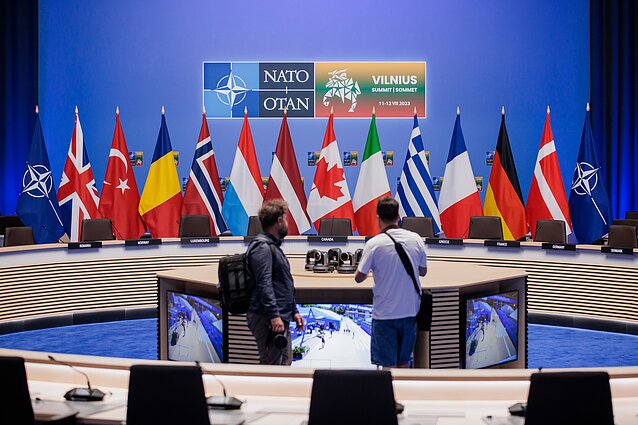
The State of Transatlantic Affairs Post Vilnius: Analyzing the Outcomes of the NATO Summit. Part I
The NATO Summit in Vilnius last week witnessed strategic deliberations guided by the principle of deterrence by denial. The Allies sought to deliver on the defense commitments made in Madrid last year. Three themes dominated the two-day meeting in the capital of Lithuania including, Ukraine’s accession to NATO, the defense investment and procurement pledge, and Türkiye’s decision to lift objections to Sweden’s membership.
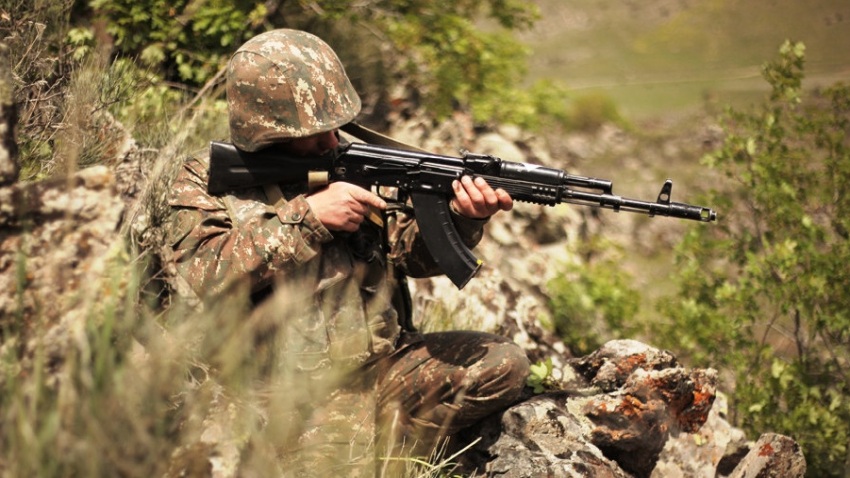
Armenia Formally Recognizes Karabakh As Part of Azerbaijan After Years-Long Conflict
Ethnic Armenians and Azerbaijan have long been engulfed in a territorial dispute over the mountain enclave of Nagorno-Karabakh. The United States, as a Minsk Group co-chair country alongside France and Russia, jointly led Minsk Group activities to advance the peaceful settlement of the Nagorno-Karabakh conflict before Russia invaded Ukraine in 2022.
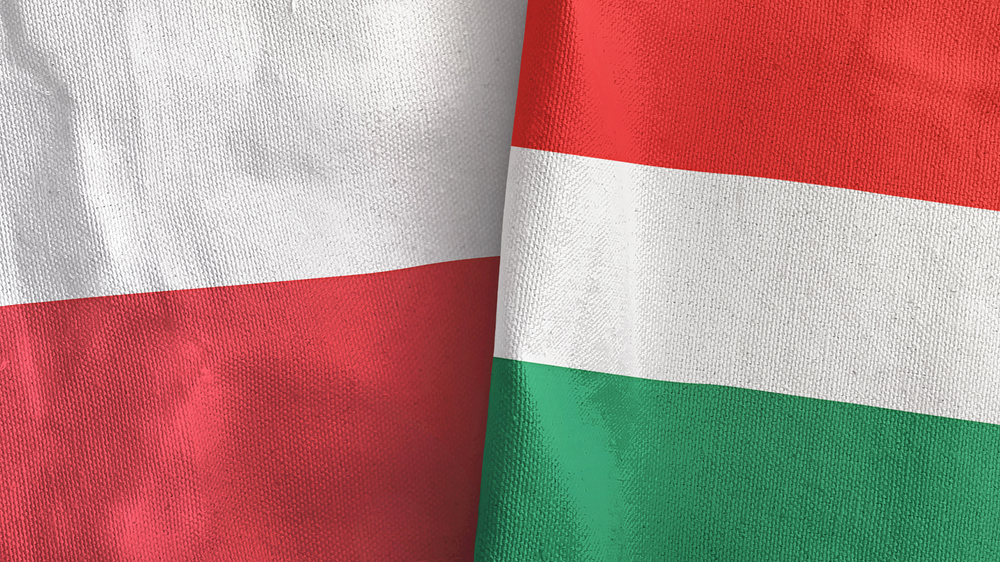
The economic and bilateral conventions between Poland and Hungary
Polish-Hungarian two good friends, says the saying, but what fundamental economic pillars should we consider when talking about the economic relationship between the two countries? What is the significance of Polish-Hungarian relations in 2023? What developments are there in improving these relationships? The CEO of the Polish-Hungarian Chamber of Commerce answers.
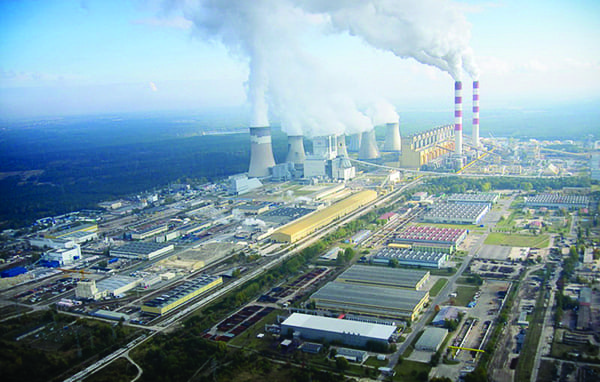
An Insider of Visegrad Four: Is the nuclear energy good for the Economy of Poland?
Electricity began its conquering journey after the 1881 Paris World Expo, when the exhibited light bulb impressed the audience. Since then, various methods have been tried to meet the continuously growing demand for electricity.
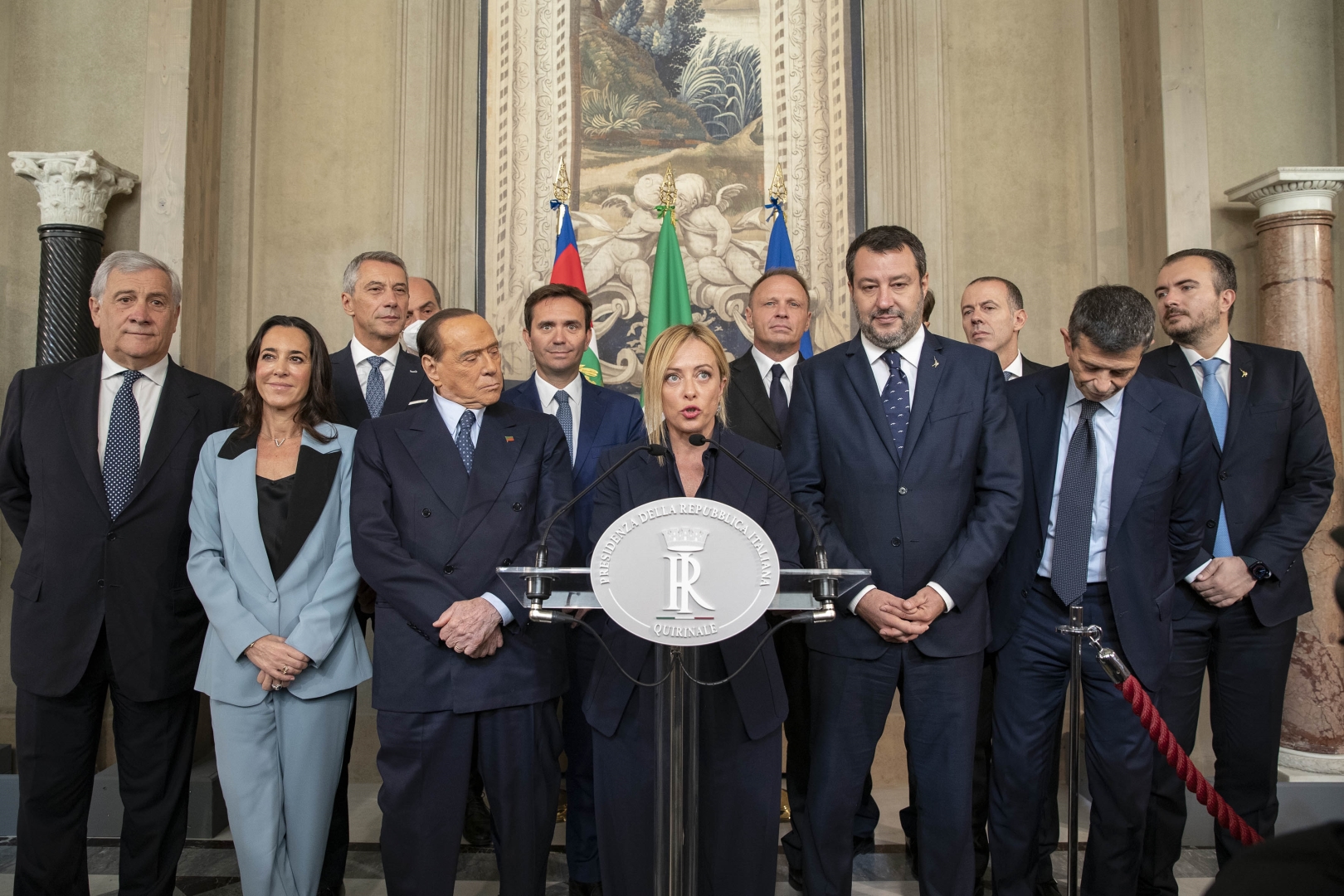
Spaghetti Eastern – What does the Meloni Government mean for European politics?
In a recent interview with CNN News, President Biden warned of consequences for Saudi Arabia after the kingdom sided with Russian president Vladimir Putin in reducing OPEC+ oil production.
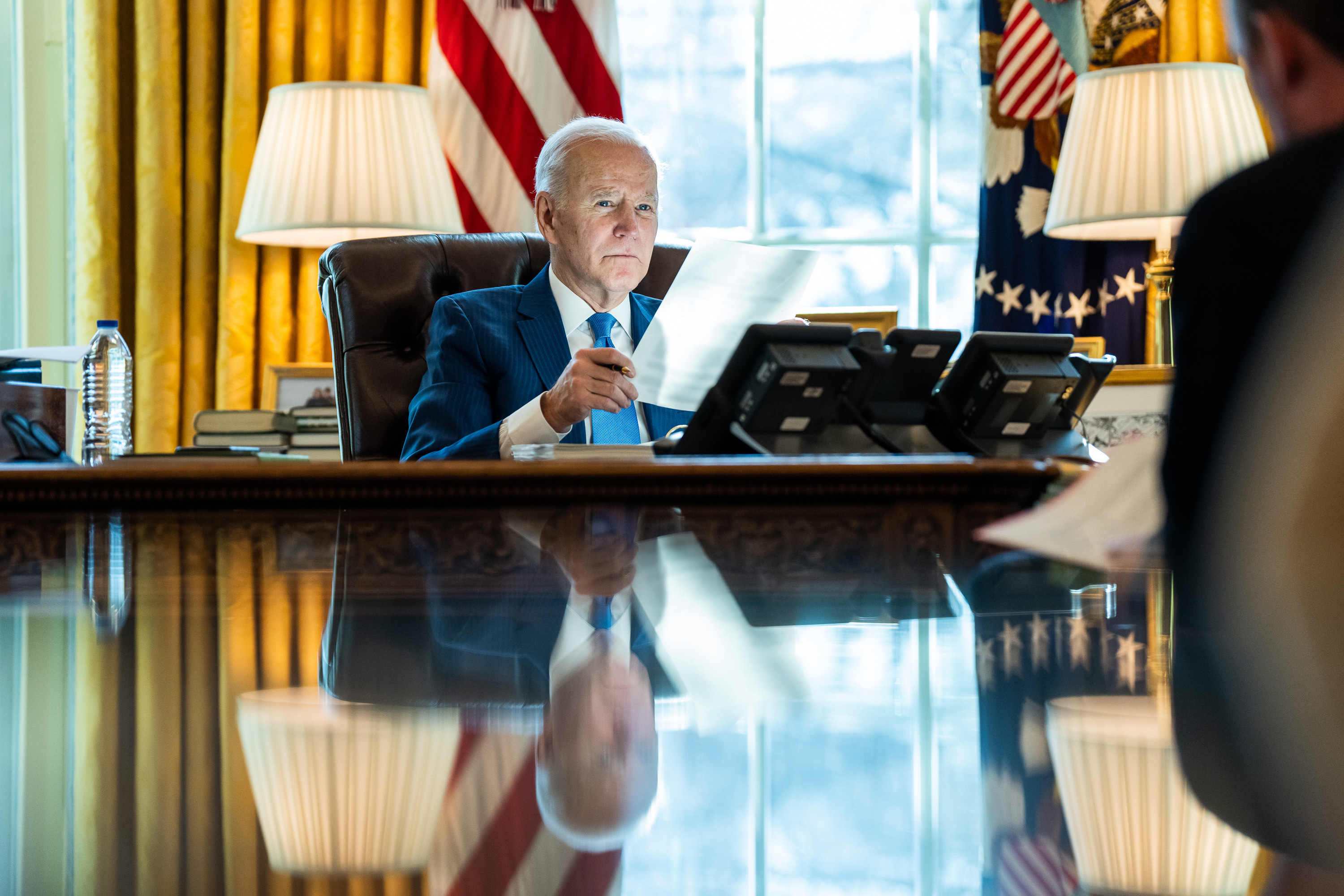
Biden Warns of ‘Consequences’ for Saudi Arabia Following Cuts in Oil Production
In a recent interview with CNN News, President Biden warned of consequences for Saudi Arabia after the kingdom sided with Russian president Vladimir Putin in reducing OPEC+ oil production.
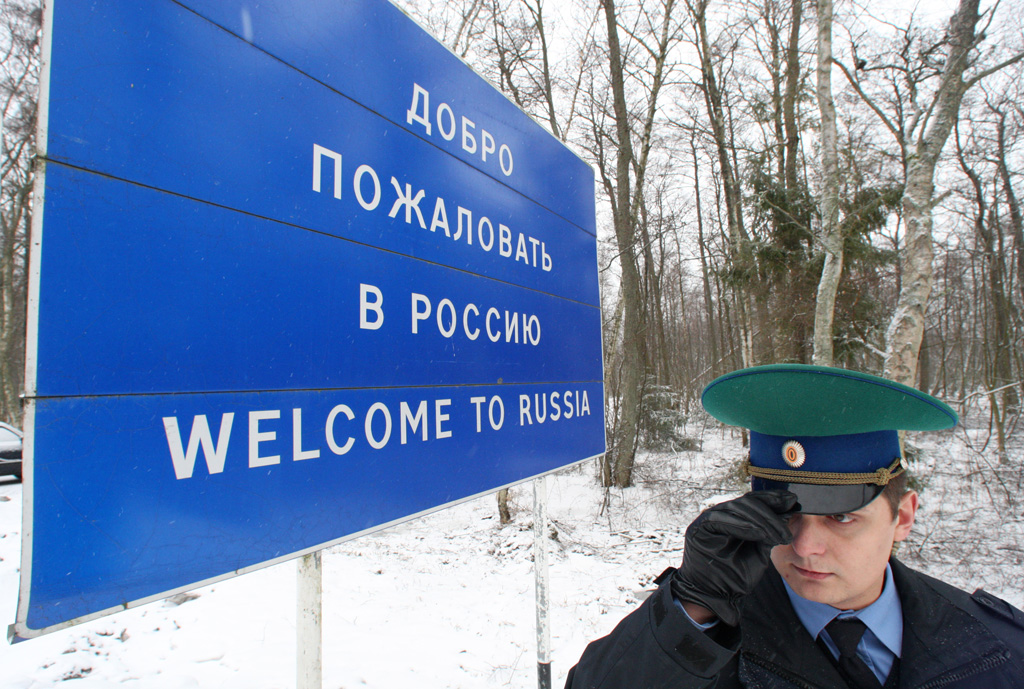
Mass Russian Exodus Following the Partial Military Mobilization
On Wednesday, September 21, Russian President Vladimir Putin announced a partial military mobilization of the Russian reserve forces to join the war in Ukraine. This, in turn, spurred a mass exodus from Russia of fighting age men and their families to neighboring countries.
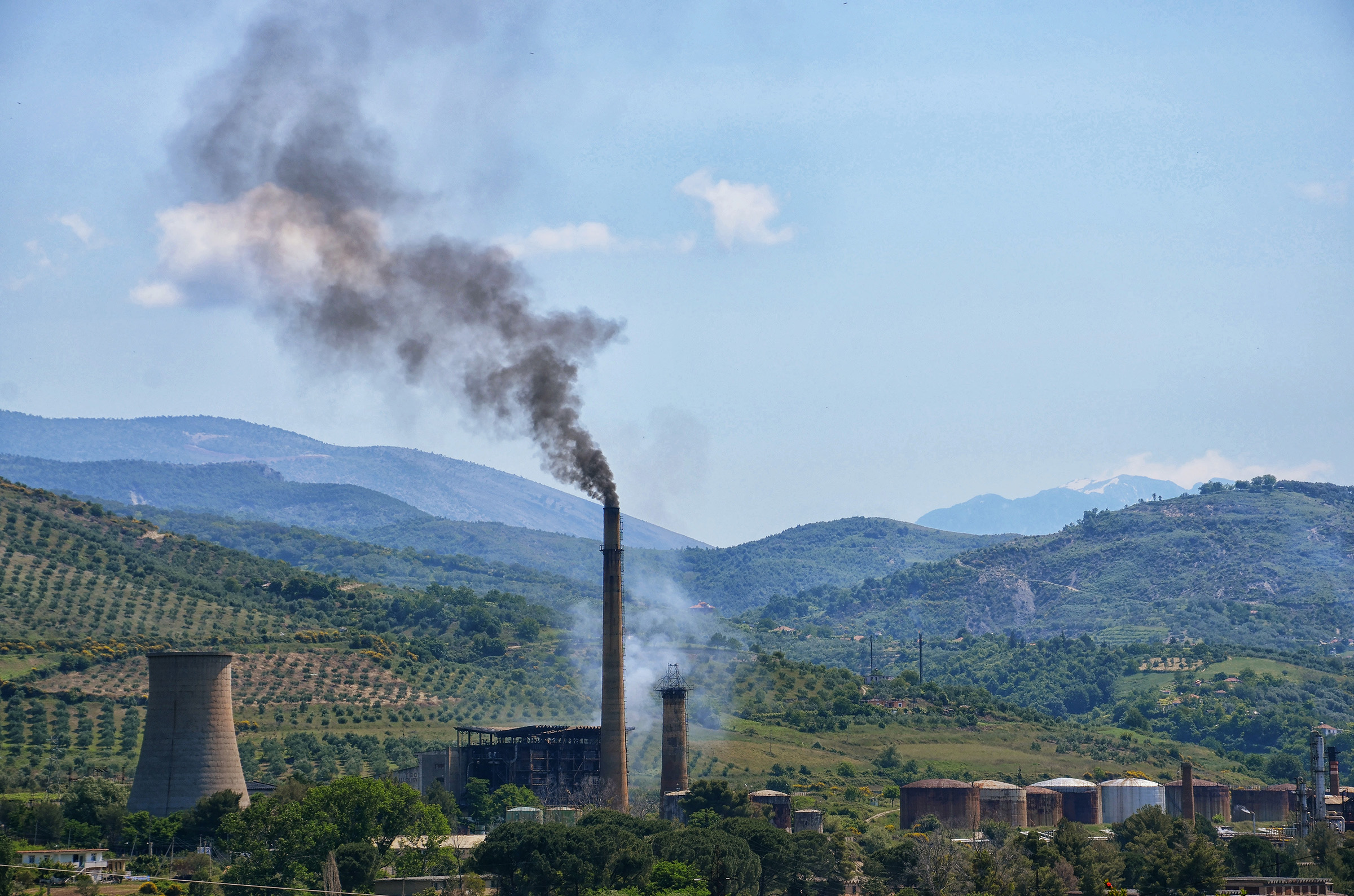
Oil Exports Rise in Venezuela
An increase in oil exports in September 2022 from Venezuela to China, Cuba, and Europe, among others, is expected to boost revenues for this Bolivarian country. This, however, does not improve Venezuela’s current social and economic situation. The 2020 sanctions imposed on this country by Western and Latin American countries have limited Venezuelan oil exports to global oil trade markets. The public receives food rations from the state, and the consumer market is still constrained due to the enforced sanctions.









Warsaw Institute